
Reviewed · YOGYAKARTA BATIK & SILVER WORKSHOPS
Yogyakarta Cooking Class and Market Tour
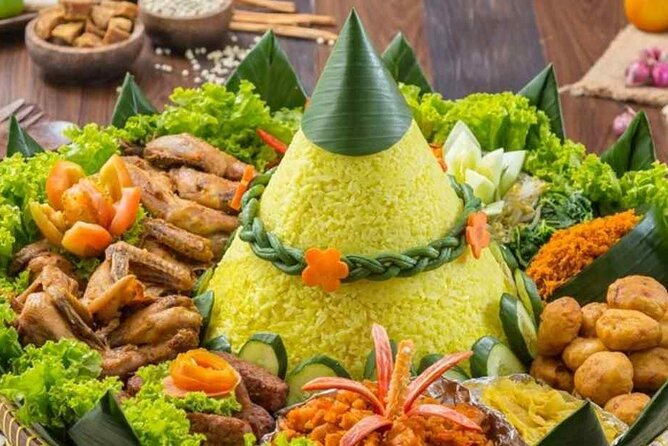
Spices first, then you cook them yourself. This Yogyakarta class is a quick 3-hour circuit that starts with a traditional market ingredient hunt led by your English-speaking chef, then moves straight into the cooking. You end up eating what you make, including Tumpeng yellow rice, and you’re not just watching from the sidelines.
I especially like the hands-on menu setup: you prepare a full lineup of 1 starter, 4 main courses, and 1 dessert, then sit down to enjoy it. You also get small cultural notes along the way, from why certain dishes matter to how Javanese flavors come together.
One thing to consider: the experience can feel fairly structured, and not every teaching style includes lots of open-ended creativity time. If you prefer a more freestyle cooking class where you can experiment more freely, you might want to ask questions and speak up early.
In This Review
- Key Highlights You’ll Actually Care About
- From Hotel to Market: The Spice Shopping Part
- The Rice Plantation and Bantul Village Stop
- Cooking Class Time: What You Actually Make
- Lunch With Your Own Food (And the Tea Options)
- Price, Value, and Group Size: Is $35 Fair?
- Who This Tour Suits (And Who Might Want a Different Style)
- Practical Tips Before You Go
- Should You Book This Yogyakarta Cooking Class?
- FAQ
- How long is the Yogyakarta Cooking Class and Market Tour?
- What does the tour cost?
- Is hotel pickup and drop-off included?
- What’s included in the cooking class?
- How many dishes will I cook?
- Is there a group size limit?
- Are drinks included at lunch?
- Can I cancel for free?
Key Highlights You’ll Actually Care About
- Hotel pickup + drop-off in Yogyakarta so you lose less time finding your way.
- Market shopping first: you choose vegetables, herbs, meat, and spices up close.
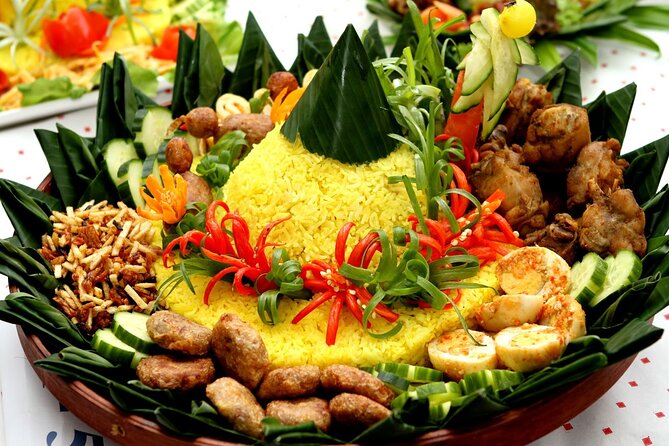
- Tumpeng yellow rice gets explained as a dish with deep ceremonial roots.
- Learn at a local home in Bantul with a chef/teacher guiding each step.
- Full lunch with tea: hibiscus tea or wedang uwuh (eucalyptus drink).
- Small group size (max 15) keeps the class feeling personal.
Still hungry? More food and culinary walks to taste in Yogyakarta
- Small-Group Walking and Food Tour by Night in Yogyakarta★ 5.0 · 313 reviews
- Night Walking Tour-Malioboro street food with guide at Yogyakarta★ 5.0 · 53 reviews
- Yogyakarta Historical and Food Tour★ 5.0 · 11 reviews
From Hotel to Market: The Spice Shopping Part
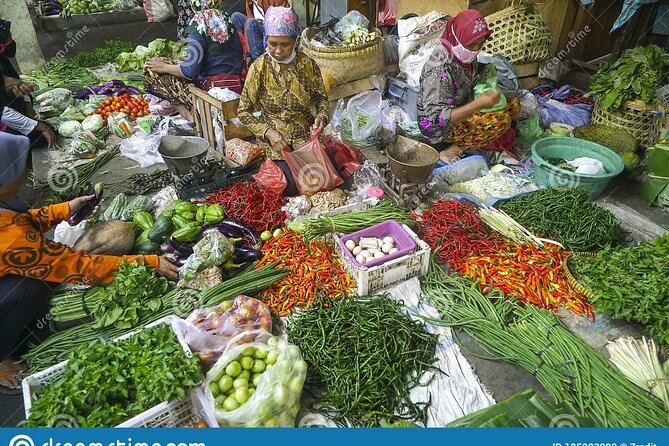
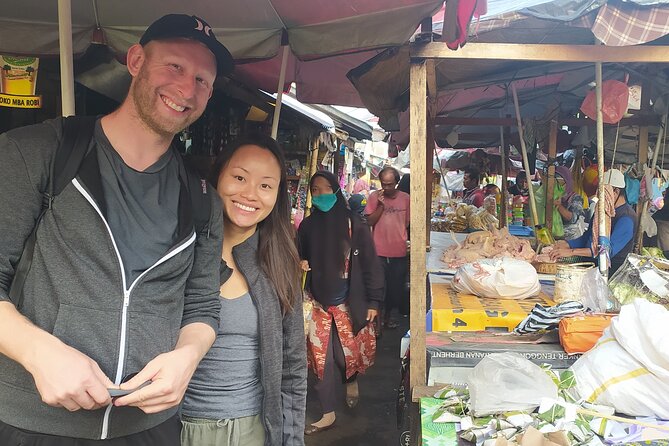
This is the kind of cooking class that starts like real cooking starts: with ingredients, not cookware. You’ll get pickup from your hotel, then head to a local fresh food market where you choose what goes into your meal. The market stop isn’t just scenic; it’s the learning engine.
You’ll see a spread of vegetables, herbs, meat, and spices laid out for everyday meals. That matters because in Java, a lot of flavor comes from how ingredients combine—fresh aromatics, grounded spices, and the balance of sweet, savory, and herbal notes. Shopping first makes it easier to understand why a dish tastes the way it does once you’re at the stove.
In this class, you also get a little briefing plus a handbook, so you’re not left guessing what to look for. That’s helpful in a market, because spice names can be confusing when you’re staring at piles of goods. You’re selecting real items that show up later in your cooking steps.
Practical tip: wear closed-toe shoes. Market floors can be uneven, and you’ll want to move comfortably while you’re comparing ingredients.
The Rice Plantation and Bantul Village Stop
After the market, the tour shifts into context. You visit a rice plantation to learn how the staple crop is cultivated and prepared. This isn’t a lecture hour—it’s more like seeing the supply chain behind what you’ll eat. Rice in Java isn’t an afterthought, and watching it grow helps you make sense of why rice dishes hold such cultural weight.
You’ll also pick up views as you go. The point is to connect food with place—how people grow it, how daily life works around it, and how food ingredients move from field to kitchen. If you’ve ever wondered why the same dish can taste different depending on region, this kind of stop gives you a better baseline.
Then you continue to the traditional village of Bantul, where you’ll receive a warm welcome. This is where the day turns more personal. Reviews you’ll read about this kind of class often mention the family-style hospitality, and that home setting is part of the value. You’re not just cooking in a rented space; you’re usually cooking as part of someone’s daily life.
Cooking Class Time: What You Actually Make
The cooking class itself is the main event, and it lasts about half a day inside the bigger tour window. Your chef/teacher (English speaking) guides you through making a full meal. You prepare 1 starter, 4 main courses, and 1 dessert, so you’re not stuck with only one dish.
One dish named in the experience description is Tumpeng yellow rice. It’s served as an offering linked to ceremonies from a long time ago. That matters because you learn more than the recipe. You learn why it’s shaped and presented the way it is, and that changes how you approach plating and portioning.
You’ll cook with support and assistance, so even if you’re not confident in the kitchen, you’re likely to end up with something you recognize as “this is real Javanese food.” The class format also helps you learn techniques, not just recipes. You’ll handle ingredients multiple ways—chopping, combining aromatics, seasoning, and working through how flavors build.
Who teaches you can vary by date, but two chef-teachers you may meet include Arma and Desy, both highlighted in strong feedback. What’s common in those teaching styles is storytelling and patience. Expect the chef to share practical pointers, plus context about Yogyakarta and Indonesian food culture while you cook.
Practical tip: ask small questions as you go. If you want deeper explanations (like why one ingredient is added at a certain point), don’t wait until the end. The class has a tight time window.
Lunch With Your Own Food (And the Tea Options)
Once the cooking wraps, you sit down and eat what you made. This is where the experience earns its keep. Cooking classes that feel like auditions—where you taste two bites and leave—can get old fast. Here, you get a full meal built from your own work: your starter, your main courses, and your dessert.
The class also includes lunch, and the tea makes it more than just food. You can enjoy homemade hibiscus tea or traditional wedang uwuh, which is an eucalyptus drink. If you’ve never tried wedang uwuh, it’s a great moment to ask what you’re tasting and why it pairs well with savory dishes.
Another nice detail: you’ll get more insights during the meal, which helps the recipes click into place. Instead of memorizing steps, you start understanding flavor logic—how spices, herbs, and cooking methods shape the final taste.
If you’re the kind of person who always wants to know what to cook next time, this is the best moment. Look at the dishes you made and ask what would change if you used different herbs, different spice strength, or a different meat.
Get hands-on with more batik and silver workshops in Yogyakarta
Price, Value, and Group Size: Is $35 Fair?
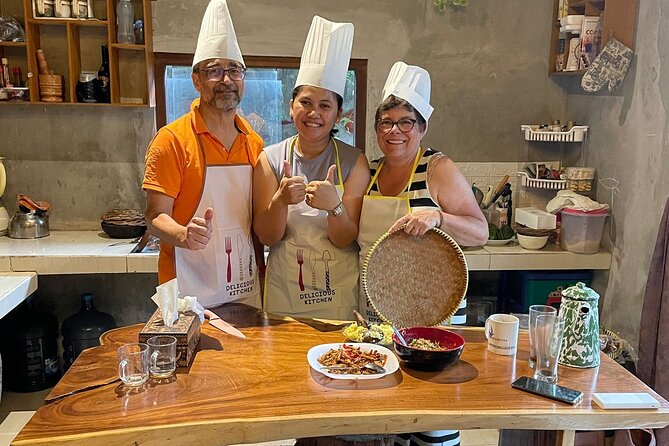
At $35 per person for about 3 hours, this is priced like a solid local experience rather than a pricey cooking production. The value isn’t just that you learn to cook—it’s the package you get around cooking.
You’re typically getting:
- Market tour for ingredient selection
- All ingredients
- Recipe materials
- Lunch
- Pick-up and drop-off in Yogyakarta
- English-speaking chef/teacher
- A full set of dishes you help prepare (starter, mains, dessert)
That combination matters because market shopping and transportation can be expensive and time-consuming if you do it on your own. With group size kept to a maximum of 15 travelers, you also avoid the feeling of getting rushed through a demo. For a cooking class, smaller groups usually mean quicker help when your paste is too thick or your seasoning feels off.
One more detail to keep in mind: the average booking is about 24 days in advance, which is a gentle hint that this class is popular. If your dates are set, book earlier so you can choose a morning or afternoon slot that fits your rhythm in Yogyakarta.
Who This Tour Suits (And Who Might Want a Different Style)

This class fits best if you want a hands-on food day with clear guidance and a cultural storyline that stays tied to what’s on the plate.
You’ll likely enjoy it if you:
- Like markets and want to shop with a purpose
- Want to learn Javanese techniques you can repeat later
- Prefer a smaller-group feel (max 15)
- Want a real lunch out of your cooking, not just snacks
You might want to think twice if you’re the type who needs lots of explanation to feel confident, or if you’re hoping for maximum freedom to invent your own version. One less-positive note from prior participants was that some sessions can feel light on explanation and limited in creative space. In other words: you’ll cook, but you may follow more of the chef’s method than a fully open workshop.
If you’re trying to get more out of the class, do two things: arrive hungry, and ask questions while you’re cooking. The best results come when you actively participate, not just watch.
Practical Tips Before You Go

These are the small things that make a big difference with a market-to-kitchen format:
- Have WhatsApp ready if possible. One piece of advice from past participants is to keep it installed for communication during the day.
- Dress for comfort. You’ll walk through a market and move between stops, so choose breathable layers.
- Come ready to taste. Even if you’re not sure you’ll love every herb or spice, this class gives you context and portion sizes that make experimenting safer.
- If you’re cooking with specific dietary needs, ask upfront. The provided information doesn’t list dietary accommodations, so communication early is your best tool.
Should You Book This Yogyakarta Cooking Class?
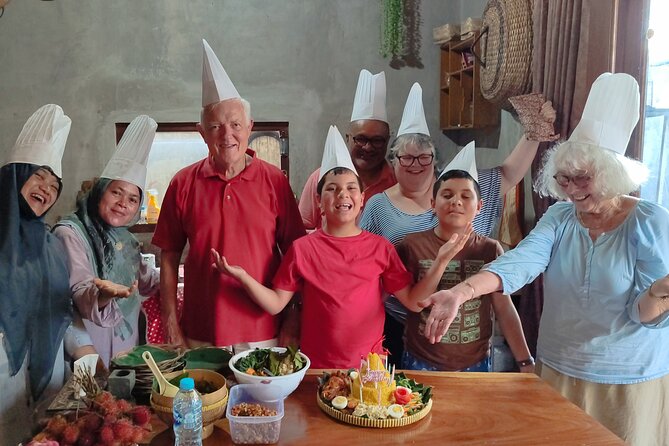
I’d book this if you want a practical, culture-connected cooking day in Yogyakarta—one that includes market shopping, a rice plantation stop, a Bantul village welcome, and a full meal you make yourself. The $35 price feels fair because it bundles pickup, ingredients, instruction, and lunch into a single smooth package.
Skip it if your top priority is an open-ended, highly experimental cooking workshop. This is more guided than freestyle. Also, if you’re extremely sensitive to pacing, know the class runs on a schedule and may not include a lot of extra time for creative detours.
If you want a reliable taste of Javanese cooking in a real local setting, this is a strong choice.
FAQ
How long is the Yogyakarta Cooking Class and Market Tour?
It runs for about 3 hours (approx.).
What does the tour cost?
The price is $35.00 per person.
Is hotel pickup and drop-off included?
Yes. Pickup and drop-off at hotels in Yogyakarta are included.
What’s included in the cooking class?
You get an English-speaking teacher (Chef), all ingredients, a recipe, lunch, and the market tour.
How many dishes will I cook?
You’ll prepare 1 starter, 4 main courses, and 1 authentic dessert.
Is there a group size limit?
Yes. The tour has a maximum of 15 travelers.
Are drinks included at lunch?
The experience description says you can enjoy homemade hibiscus tea or traditional wedang uwuh at lunchtime.
Can I cancel for free?
Yes, you can cancel up to 24 hours in advance for a full refund. If you cancel less than 24 hours before the start time, the amount paid is not refunded.
More Yogyakarta Food and Culinary Tours
- Small-Group Walking and Food Tour by Night in Yogyakarta
★ 5.0 · 313 reviews - Night Walking Tour-Malioboro street food with guide at Yogyakarta
★ 5.0 · 53 reviews - Yogyakarta Historical and Food Tour
★ 5.0 · 11 reviews
More Yogyakarta Tour Reviews Worth Reading
- Borobudur Sunrise from setumbu Hill , Merapi Volcano & Prambanan Full Day Tour
★ 5.0 · 1,030 reviews - Borobudur Temple Climb To The Top & Prambanan Temple – 1 day tour
★ 5.0 · 638 reviews - Menoreh Village Cycling
★ 5.0 · 611 reviews
Not quite the one? Here is more to do around Yogyakarta, freshly reviewed by us

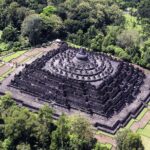
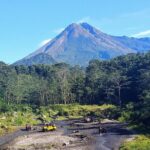

Yogyakarta Batik & Silver Workshops, compared.
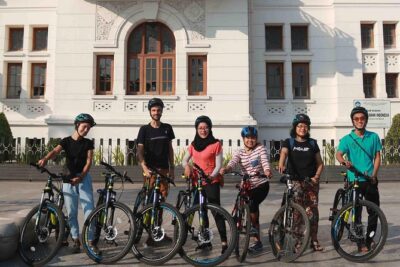 ★ 5.0Kotagede Royal Route – Cycling TourFrom $57207 reviews
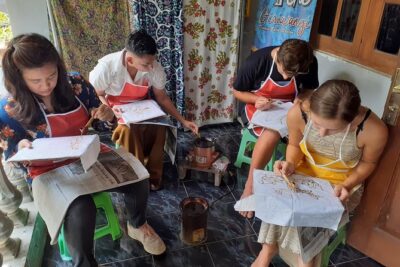 ★ 5.0Batik Master Class with Full ProcessFrom $19103 reviews
 ★ 5.0Borobudur: Village Tour with Pottery and Tofu MakingFrom $7934 reviews
 ★ 5.0Traditional Javanese Archery ClassFrom $2713 reviews
 ★ 5.0Kotagede Yogyakarta Heritage Walk TourFrom $356 reviews
 ★ 5.0Kotagede Yogyakarta Silvercrafting Short CourseFrom $474 reviews
Browse the lists this tour appears in