
Reviewed · BOROBUDUR SUNRISE & CLIMB-UP TOURS
Borobudur: Village Tour with Pottery and Tofu Making
Temples are great, but crafts win. This Borobudur-area tour mixes hands-on making at Gerabah Klipoh with stories from a local guide who lives near the temple zone. You also get a chance to look at Borobudur from the surrounding villages, not just from the main viewpoint.
I like that the vibe is practical and you actually try the work, not just watch. Clay time and batik practice fit nicely into a short schedule, and the tour keeps you hydrated with complimentary bottled water. One caution: there’s no meal included, and entrance fees beyond what’s listed can add up.
In This Review
- Key takeaways before you go
- Why This Borobudur Village Tour Feels Different Than Temple-Only Days
- The 2–3 Hour Plan: From Gerabah Klipoh to Handmade Batik
- Stop 1: Gerabah Klipoh Pottery Village and Clay Practice
- Stop 2: Tingal Wanurejo Handmade Batik Practice
- ToFu, Snacks, and Coffee-Style Breaks That Make It Real
- Meeting Point, Pace, and What to Bring for Hands-On Work
- Price and Value: Is $79 a Good Deal for This Craft Time?
- Who This Tour Fits Best (and Who Might Want a Different Day)
- Should You Book This Borobudur Pottery and Tofu Tour?
- FAQ
- How long is the Borobudur village pottery and tofu tour?
- How much does the tour cost?
- Is this a private tour?
- Do I need a mobile ticket?
- What’s included in the price?
- What isn’t included?
- Where do I meet, and where does the tour end?
- Is the batik stop admission included?
- Can I cancel for a full refund?
Key takeaways before you go
- Hands-on pottery practice at Gerabah Klipoh, with the pottery admission ticket included
- Local guide storytelling from residents who know the village life around Borobudur
- Batik workshop time at Tingal Wanurejo (admission ticket not included for this stop)
- Small, private-group format so you’re not stuck in a huge crowd
- Food culture stops built around tofu and local snacks from village industries
We have more Borobudur sunrise climbs to weigh up around Borobudur
- Yogyakarta: Borobudur Temple Climb Up and Prambanan Temple Tour★ 5.0 · 53 reviews
- Chicken Church Local Attraction Near Of Borobudur Temple★ 3.5 · 18 reviews
- Borobudur Private Tour From Semarang Port★ 4.5 · 12 reviews
Why This Borobudur Village Tour Feels Different Than Temple-Only Days
Borobudur is famous for a reason, but the best memories often happen on the quieter streets nearby. This tour is designed for that side of the day: village work, local traditions, and practical craft skills you can feel in your hands.
What makes it work is the setting. You’re guided through villages where pottery and textile work are part of daily life, so your visit doesn’t feel like a staged performance. The route is short—about 2 to 3 hours—which means you get enough time for practice without turning the whole day into a rushed marathon.
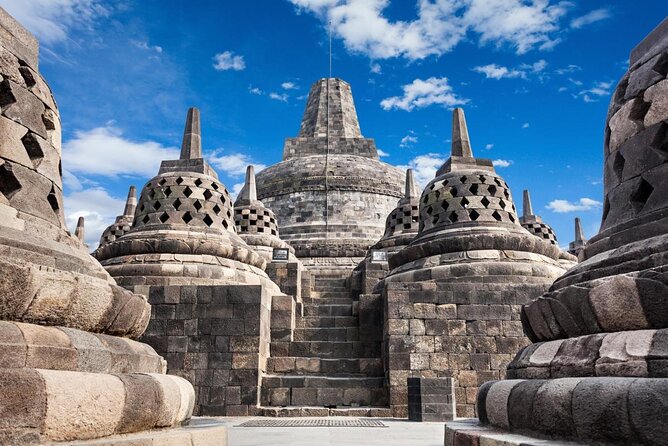
I also like that the tour isn’t only about crafts on a table. The guide helps you connect the work to place—landmarks, village rhythm, and how people live near the Borobudur area. And yes, you may even catch a look at Borobudur during the village walk, which is a fun way to round out a temple day without doing more ticket lines.
The 2–3 Hour Plan: From Gerabah Klipoh to Handmade Batik
This is a focused, workshop-style loop. You start at a specific meeting point in Borobudur village, then head to two main craft stops that each run on a tight clock.
A typical flow looks like this:
- Gerabah Klipoh pottery village for about 40 minutes
- Tingal Wanurejo area for handmade batik practice for about 30 minutes
- Along the way, you’ll also get context stops—village viewpoints/landmarks—and time for local food culture such as tofu and snacks
The biggest strength of the pacing is that it keeps your expectations realistic. You’re not going to master a craft in one afternoon, but you will get a solid “try it” experience and a clear sense of how village artisans actually work.
The main trade-off: each stop is timed. If you fall in love with pottery and want to keep going, you’ll have to switch gears quickly for the next activity.
Stop 1: Gerabah Klipoh Pottery Village and Clay Practice
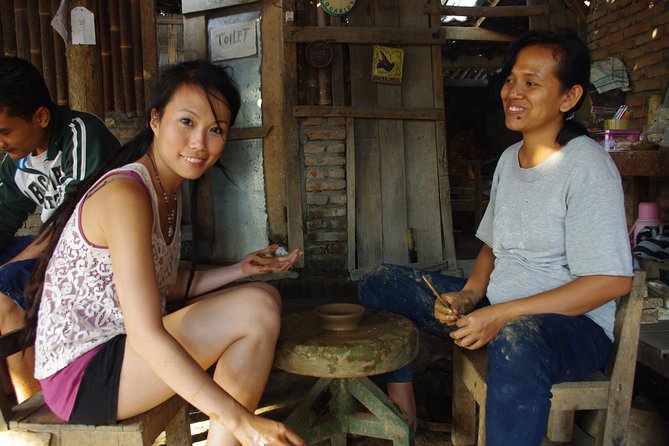
Gerabah Klipoh is the craft center of the tour, and it’s the place where you should expect the most hands-on action. You’ll visit a pottery village and learn how clay is shaped into useful, saleable objects—plus you get to practice as part of the experience.
Admission for this stop is listed as included, which matters for value. Instead of paying for a “look only” visit, you’re paying for time in the workshop atmosphere, with an actual chance to work with clay.
Here’s how to set yourself up for success:
- Dress for mess. Even if things aren’t wildly chaotic, clay work can be a hands-and-apron kind of activity.
- Bring a plan for cleanup. You won’t be changing outfits afterward, but having a small towel or wet wipes can save your day.
- Go in curious, not perfect. The point is learning how the process feels—hands, pressure, and shapes—not leaving with a showroom masterpiece.
From the experience format, you’ll also get a sense of how pottery fits into the local economy. This isn’t just art for tourists; it’s practical work that supports families and daily schedules.
Stop 2: Tingal Wanurejo Handmade Batik Practice
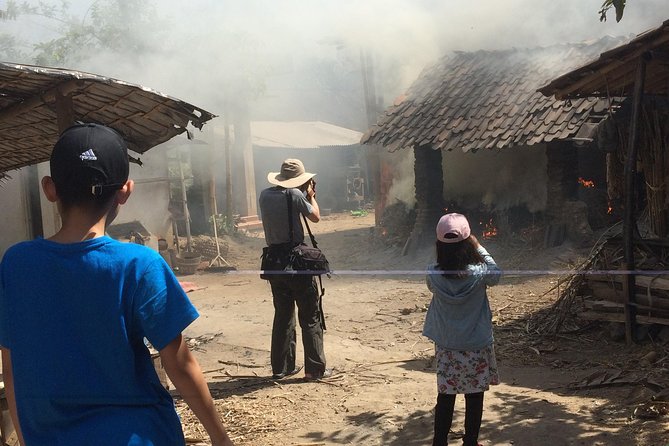
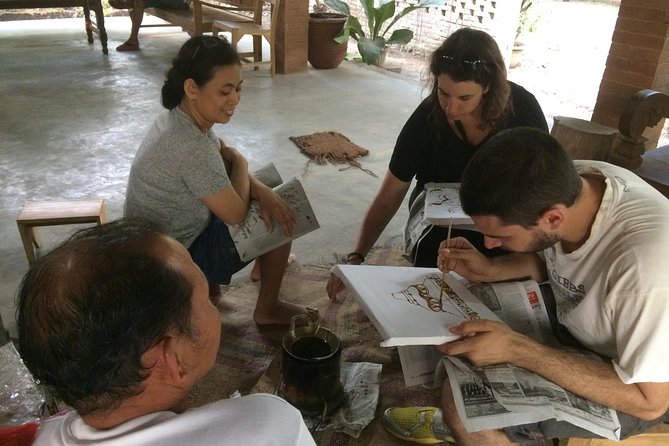
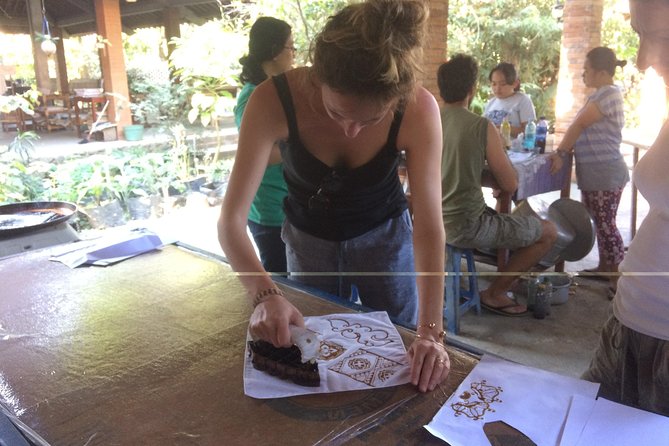
After pottery, the tour shifts from clay to cloth—handmade batik at the Tingal Wanurejo Borobudur Magelang Jawa Tengah area. Your time here is shorter (about 30 minutes), but it’s set up so you can try the pattern-making process rather than simply observe.
One key detail for your planning: the admission ticket for this stop is not included. That doesn’t mean it’s expensive, but it does mean you should expect an extra cost if a ticket fee is required for the batik activity.
What you’ll likely appreciate is the contrast between the two crafts. Pottery is about shaping something from a single material. Batik is about transferring design and control—slow work, pattern discipline, and patience. Even in a short time window, you’ll see why each craft has its own rhythm.
If you’re deciding what kind of souvenir you want, this stop often helps. Pottery and batik are both visually strong, but they represent different skills—and that affects what you’ll feel like buying later.
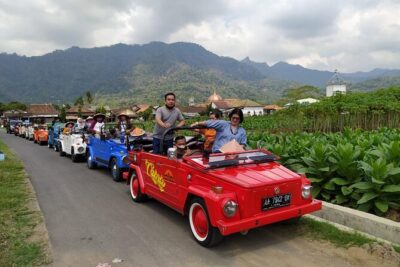
Pedal on with more village cycling routes around Borobudur
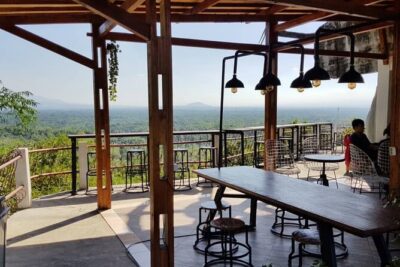
ToFu, Snacks, and Coffee-Style Breaks That Make It Real
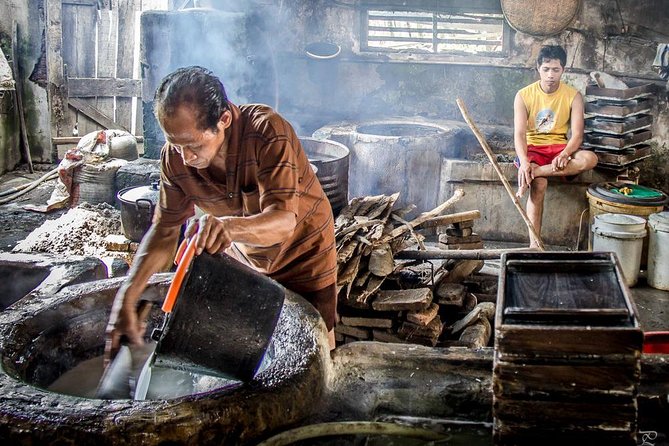
The title calls out tofu making, and the experience is clearly built around local food culture, not just crafts. In practice, you should expect tofu culture and village snack moments to be part of the experience mix—places where you can sample what people produce and eat locally.
This matters because pottery and batik can sometimes feel like “watch the lesson, buy the item.” Adding food and snack culture changes the tone. It helps you see the workshop world as part of everyday life—work, taste, and family businesses all at the same table.
You’ll also get complimentary bottled water during the tour. That’s a simple inclusion, but it’s a real comfort on Central Java days, especially if you’re doing active hands-on work.
I like these food moments because they slow the whole experience down. You’re not only producing; you’re also connecting with how locals experience their products—right down to the flavor.
Meeting Point, Pace, and What to Bring for Hands-On Work

You meet at Jl. Balaputradewa No.55, Dusun XVI, Borobudur, Magelang Regency. The tour ends back at the meeting point, which is helpful if you plan to continue your day on your own afterward.
Because the experience is about 2 to 3 hours, the pace stays brisk. You’re moving between villages and working in timed chunks, so pack like you’re going to do two activities with short breaks—not like you’re taking a full-day class.
Bring:
- A change of mindset, not a change of clothes: you’re doing crafts, so expect a bit of mess
- Something small for snacks later, since meal is not included
- A light layer if you get chilly in air-conditioned spaces afterward
Also note the tour is set up as a private tour/activity, meaning only your group participates. That can make a big difference in how comfortable you feel while learning, asking questions, and taking your time with a craft step.
And if you’re using public transport, the meeting area is noted as near public transportation, which usually makes the start less stressful.
Price and Value: Is $79 a Good Deal for This Craft Time?
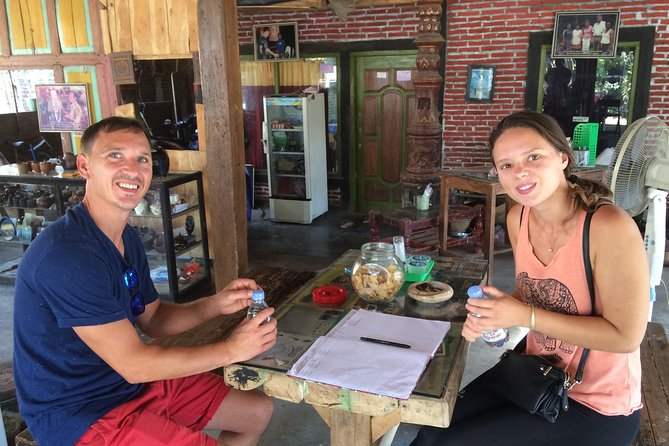
At $79, this tour lands in a “pay for experience, not just sights” category. The value comes from three pieces:
- You’re getting workshop time at Gerabah Klipoh (with the pottery admission ticket included there).
- You’re guided by someone local to the area, which improves context fast. Craft without context can feel random; with guidance, it feels connected.
- The format stays short, so you get hands-on practice without surrendering most of your day.
What keeps the price from being a slam-dunk is what’s not included. Meal and entrance fees are not included, and the batik stop explicitly notes that admission ticket is not included. If you add those costs at the wrong moment, you might feel like the final total is higher than expected.
Still, if you want a day that goes beyond temple photos and you’re excited about trying craft work, $79 is a reasonable “workshop + guide” rate. It’s especially good for people who like practical learning—pressing clay, trying pattern techniques, and asking how local artisans sell their work.
Who This Tour Fits Best (and Who Might Want a Different Day)
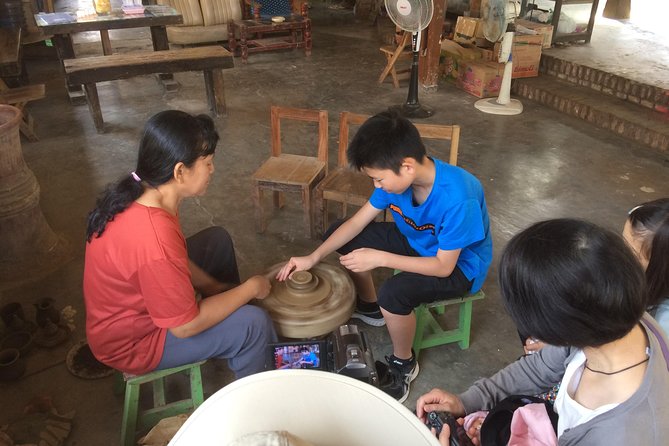
This tour is a strong match for:
- People who want more than a temple visit and like village-level experiences
- Anyone who enjoys hands-on learning, even if you’re a beginner
- Groups who prefer a private setup instead of blending into a big crowd
It might be less ideal if you’re the kind of person who wants hours of uninterrupted craft time at one location. The stops are intentionally short, so your experience will feel like a taste test of multiple crafts rather than a deep masterclass.
Also, if you’re hungry at the 2–3 hour mark, plan ahead. Since a meal isn’t included, bring a snack for afterward or plan your next stop soon after the tour ends.
Should You Book This Borobudur Pottery and Tofu Tour?
If your ideal Borobudur day includes village life—crafts, food culture, and learning from local people—then yes, this is worth booking. You’re paying for doing, not just looking, and the short time window makes it easy to fit into a busy itinerary.
Book it especially if:
- You want pottery practice plus batik at a reasonable pace
- You’d rather spend your time with villagers and workshops than only at major monuments
- You like the idea of combining craft time with local tofu and snack culture
Skip it if you want a long, fully structured class or you don’t enjoy making things by hand. In that case, you might prefer a longer workshop elsewhere or a temple-focused day with fewer moving parts.
FAQ
How long is the Borobudur village pottery and tofu tour?
It’s about 2 to 3 hours.
How much does the tour cost?
The price is $79.
Is this a private tour?
Yes. It’s listed as a private tour/activity, so only your group participates.
Do I need a mobile ticket?
Yes. The tour includes a mobile ticket.
What’s included in the price?
You get bottled water. The pottery stop (Gerabah Klipoh) also includes an admission ticket.
What isn’t included?
A meal is not included, and entrance fees are not included (including admission for the batik stop).
Where do I meet, and where does the tour end?
You start at Jl. Balaputradewa No.55, Dusun XVI, Borobudur, Kabupaten Magelang. The tour ends back at the meeting point.
Is the batik stop admission included?
No. The batik stop lists an admission ticket not included.
Can I cancel for a full refund?
Yes. You can cancel up to 24 hours in advance for a full refund.
More Borobudur Sunrise and Climb-Up Tours in Yogyakarta
- Yogyakarta: Borobudur Temple Climb Up and Prambanan Temple Tour
★ 5.0 · 53 reviews - Chicken Church Local Attraction Near Of Borobudur Temple
★ 3.5 · 18 reviews - Borobudur Private Tour From Semarang Port
★ 4.5 · 12 reviews
More Yogyakarta Tour Reviews Worth Reading
- Yogyakarta: Borobudur Temple Climb Up and Prambanan Temple Tour
★ 5.0 · 53 reviews - Chicken Church Local Attraction Near Of Borobudur Temple
★ 3.5 · 18 reviews - Borobudur Private Tour From Semarang Port
★ 4.5 · 12 reviews
Not quite the one? Here is more to do around Borobudur, freshly reviewed by us



Borobudur Sunrise & Climb-Up Tours, compared.
 ★ 5.0Borobudur Sunrise from setumbu Hill , Merapi Volcano & Prambanan Full Day TourFrom $1051,030 reviews
 ★ 5.0Borobudur Temple Climb To The Top & Prambanan Temple – 1 day tourFrom $105638 reviews
 ★ 5.0Borobudur Top Access & Prambanan Temple Private TourFrom $73390 reviews
 ★ 5.0Borobudur(climb up), Merapi Volcano and Prambanan Temple TourFrom $125297 reviews
 ★ 5.0Borobudur Climb-up & Prambanan Day Trip All InclusiveFrom $60226 reviews
 ★ 5.0Borobudur (climb), Prambanan & Other Visit By RequestFrom $120211 reviews
 ★ 5.01 Day Yogyakarta tour ( Borobudur temple, Merapi Lava Tour, Prambanan Temple)From $76144 reviews
 ★ 5.0Borobudur ClimbUP guaranteed (sunrise option)& Prambanan Day TourFrom $24142 reviews
Browse the lists this tour appears in