
Reviewed · MALIOBORO NIGHT WALKING TOURS
Kotagede Yogyakarta Heritage Walk Tour
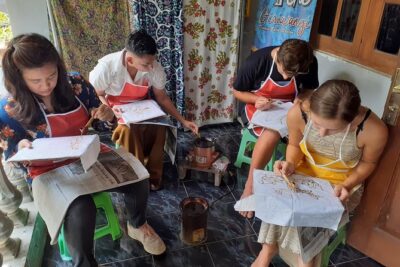
Kotagede feels like a living museum, just on foot. This community-run heritage walk threads together royal tombs, old mosques, and everyday neighborhood life in the old capital of Mataram. You’ll also get hands-on moments like watching jamu herbal medicine being made, plus seeing a silversmith work.
What I like most is the way the tour focuses on real places you’d otherwise breeze past: the Mataram Kings Cemetery and the traditional houses around the area known as Between Two Gates. You’re not just looking at antiques—you’re learning how people keep living with the past.
One consideration: the walk is mostly outdoors, so heat and rain can hit fast in Yogyakarta. Build in water and some sun protection, and be ready to adjust if the weather turns.
In This Review
- Key things to know before you go
- Why Kotagede’s royal past still shapes daily life
- Community-guided rhythm: what the walk is really like
- Stop 1: Mataram Kings Cemetery and the Javanese-dress experience
- Between Two Gates: how rukunan explains everyday “agreements”
- Pasar Legi Kotagede market: herbs, snacks, and jamu making
- Seeing a silversmith in action: craft you can watch, not just admire
- What the mobile ticket means for your day
- Price and value: is $35 a good deal?
- Weather and comfort tips that actually help
- Who this tour suits best
- Should you book the Kotagede Heritage Walk?
- FAQ
- Where is the Kotagede Heritage Walk Tour located?
- How long is the tour?
- How much does it cost?
- What group size should I expect?
- What ticket format do I get?
- What are the main places you visit?
- Is Javanese dress provided?
- Where does the tour start and end?
- Can I cancel for free?
Key things to know before you go
- Max 10 travelers keeps it conversational, not a lecture line
- Mataram Kings Cemetery includes royal tomb visits and Javanese dress
- Between Two Gates is about everyday living, including the idea of rukunan
- Pasar Legi Kotagede is a long-running local market with food, herbs, and snacks
- Jamu making + silversmith show craft and herbal traditions you can actually see up close
The night is young. More Malioboro walks after dark in Yogyakarta
- Small-Group Walking and Food Tour by Night in Yogyakarta★ 5.0 · 313 reviews
- Night Walking Tour-Malioboro street food with guide at Yogyakarta★ 5.0 · 53 reviews
- Yogyakarta Culinary&Walking Tour with English/France/Italy guide★ 4.5 · 9 reviews
Why Kotagede’s royal past still shapes daily life
Kotagede, in Yogyakarta, has that rare feel of history that hasn’t been boxed off. A few centuries ago it was tied to the power center of the Mataram Kingdom, and that influence shows up in the way the area is organized today. In other words, you’re walking through cultural layers, not just visiting one monument.
This tour works because it links big themes to small moments. You’ll see royal burial grounds and traditional architecture, then you’ll step into a market where herbs and snacks are part of normal life. That mix helps you understand why Kotagede’s heritage matters to locals, not just to visitors.
Community-guided rhythm: what the walk is really like
This is the kind of tour that moves at human speed. Numbers are capped at 10 travelers, so you get time to ask questions and get specific context about what you’re seeing. Instead of rushing, the guide can point out practical details—how a residence works, what people buy and make, and why certain spaces matter.
Expect a 2 to 3 hour pace with short stop-and-explain segments. You’re also starting in the morning window (service runs 8:00 AM to 11:30 AM), which is smart if you’re trying to beat the worst heat. The route ends near Lawang Pethuk Kotagede, so it’s easy to keep exploring afterward on foot.
Stop 1: Mataram Kings Cemetery and the Javanese-dress experience
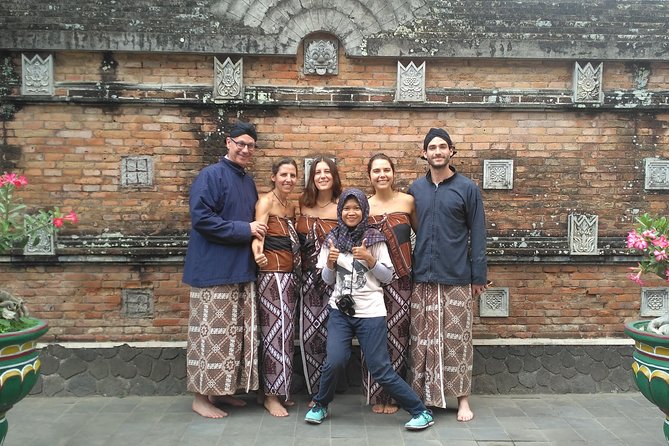
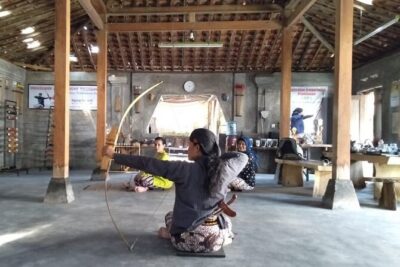
The first major moment is the Mataram Kings Cemetery in Kotagede. It’s not just about seeing tombs; it’s about stepping into the setting the community uses to frame royal ancestry. You’ll also be provided special Javanese dress for parts of the visit, which helps you understand that this is still a meaningful place, not a staged photo stop.
There’s also a mosque in the cemetery area: Masjid Gedhe Mataram, described as the oldest mosque in Yogyakarta. That matters because it ties together two major strands of life in the region—spiritual tradition and royal heritage—within the same walking experience. Even if you’re not a deep-architecture person, the setting gives you a clear sense of how the town’s identity was formed.
Practical note: cemetery visits can mean standing and walking on uneven ground. Give yourself a little buffer time, wear shoes you trust, and keep water handy.
Between Two Gates: how rukunan explains everyday “agreements”
After the royal cemetery, the tour shifts to lived-in architecture. Between Two Gates is where you explore traditional Javanese houses that local residents still use. This isn’t about grand empty rooms—it’s about how the home functions as a social system.
You’ll hear a key concept: rukunan. In simple terms, it describes harmony or a condition where residence owners have agreements that keep community life working. You’ll see how that idea shows up in the layout and daily rhythms, not just as a definition.
You’ll also get a traditional snack here. I like this stop because it ties food to place. When you try something local in the context of a neighborhood home, it stops feeling like a random “snack break” and starts feeling like part of the culture.
If you’re the type who likes to understand how a place works—social rules, family life, the logic behind architecture—this is a standout segment.
Get hands-on with more batik and silver workshops in Yogyakarta
Pasar Legi Kotagede market: herbs, snacks, and jamu making
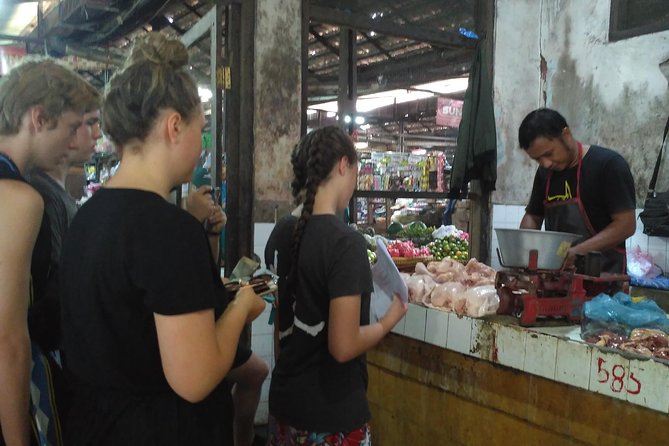
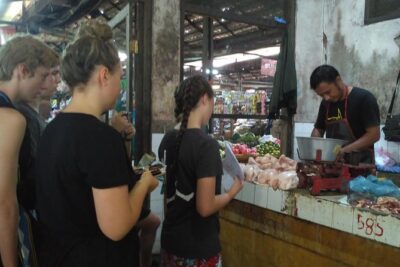
Then you step into Pasar Legi Kota Gede, one of the older local markets in the southern part of Java. Markets like this aren’t just shopping—they’re where people pick up herbs, daily food, kitchen supplies, and small practical items that keep life running.
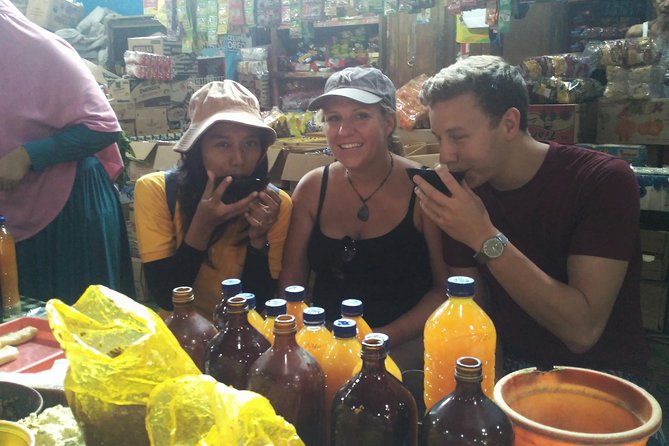
In this market stop, you’ll have time to browse and learn what’s commonly sold. You’ll see local foods and fruit, plus herbs and kitchen stuff. And most importantly, you’ll watch the process of jamu, traditional herbal medicine, being made.
Why I think this is valuable: jamu is often treated like a tourist novelty, but here it’s shown as a working craft. You get to see the process, not just hear the idea. That’s the difference between a flavor you taste and a tradition you understand.
Tip for your visit: if you’re interested in herbs, don’t just look—ask what they’re used for. Even with limited time, the guide can usually point you toward what matters most in daily use.
Seeing a silversmith in action: craft you can watch, not just admire
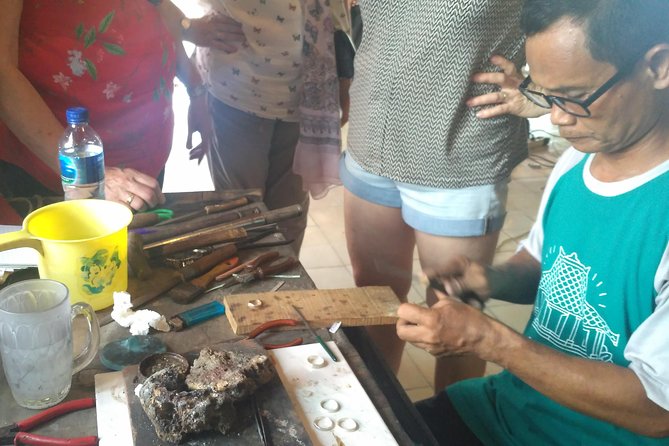
Kotagede is also known for metalwork, and the tour includes a chance to see a silversmith in action. This is one of those experiences that’s hard to recreate from photos alone. Watching hands work—tools, materials, shaping—gives you a better sense of the time and care behind the finished objects.
Even if you don’t plan to buy anything, it helps you read the town differently. You start noticing the connection between craft and community identity. And if you do want a souvenir, you’re in a better position to choose something that reflects the skill you just watched.
What the mobile ticket means for your day
This experience uses a mobile ticket, which is usually the easiest format when you’re juggling walking, heat, and other plans in Yogyakarta. You’re not stuck hunting for paper confirmations. It also fits the style of a short tour: quick check-in, then you’re off exploring.
The stops include admission tickets as part of what you pay, so you’re less likely to get hit with surprise charges once you’re inside. It keeps the experience smooth and focused on the actual sites and demonstrations.
Price and value: is $35 a good deal?
At $35 per person, this is priced for a guided heritage experience with more than just sightseeing. You’re getting a small group (max 10 travelers), multiple cultural stops, and included admission for the main segments. You’re also getting added value from experiences that are often separate: jamu making and a silversmith demonstration.
To judge value, I focus on what you get beyond the basic tour basics. Here, the added cultural activities matter. Watching jamu get made and seeing craft work in motion usually beats just walking past a storefront or reading a sign. Plus, the Javanese-dress element at the cemetery adds meaning that you can’t easily replicate on your own.
If you want a quick cultural hit with real context, this price feels fair. If you’re only after scenery and don’t care about craft or local daily life, it may feel more “cultural” than “sightseeing.”
Weather and comfort tips that actually help
Because this is a walking tour in open-air spaces, plan for the weather. The most common snag is heat, especially in the morning if the sun is already strong. Bring water, wear breathable clothes, and consider a hat.
Rain is the other wildcard. Even a short downpour can make surfaces slick. A compact umbrella or light rain layer can keep the day going without turning the tour into a scramble.
Also, consider your walking comfort. The experience is only a few hours, but it’s still a heritage walk with multiple stop points. Good shoes pay off fast.
Who this tour suits best
This tour is ideal if you like:
- Architecture and home life, not just temples
- Culture that shows up in everyday routines, like markets and herbal medicine
- Hands-on craft moments (jamu process, silversmith work)
- A small-group pace where you can ask questions
It may be less ideal if you want minimal walking or if you strongly prefer air-conditioned, point-to-point sightseeing.
If you’re already planning time in Yogyakarta, this is also a smart add-on because it ends near a landmark area (Lawang Pethuk Kotagede), so you can keep exploring after.
Should you book the Kotagede Heritage Walk?
I’d book it if you want Kotagede to feel personal and local—cemetery heritage, traditional homes, a working market, and craft you can see with your own eyes. The biggest reason is the community-run approach with a small cap of 10 travelers, which usually means you get real explanations instead of a rushed script.
Skip it if you only want the biggest, most famous attractions and you don’t care about jamu, markets, and traditional living spaces. In short: this is for people who like culture that’s still in use.
FAQ
Where is the Kotagede Heritage Walk Tour located?
It’s in Yogyakarta, Indonesia, around Kotagede.
How long is the tour?
The tour lasts about 2 to 3 hours.
How much does it cost?
It costs $35.00 per person.
What group size should I expect?
The tour has a maximum of 10 travelers.
What ticket format do I get?
You receive a mobile ticket.
What are the main places you visit?
You’ll visit the Mataram Kings Cemetery in Kotagede, explore traditional houses around Between Two Gates, and stop at Pasar Legi Kota Gede (Pasar Kotagede). The experience also includes watching jamu being made and seeing a silversmith.
Is Javanese dress provided?
Yes, Javanese dress is provided for the cemetery visit.
Where does the tour start and end?
It starts at Jl. Masjid Besar No.905, Sayangan, Jagalan, Kec. Banguntapan, Kabupaten Bantul, Daerah Istimewa Yogyakarta. It ends at Lawang Pethuk Kotagede on Jl. Alun-Alun Utara, RT.37/RW.09, Purbayan, Kec. Kotagede.
Can I cancel for free?
Yes. You can cancel up to 24 hours in advance for a full refund.
More Malioboro Night Walking Tours
- Small-Group Walking and Food Tour by Night in Yogyakarta
★ 5.0 · 313 reviews - Night Walking Tour-Malioboro street food with guide at Yogyakarta
★ 5.0 · 53 reviews - Yogyakarta Night Delight Walking Tour
★ 5.0 · 10 reviews
More Yogyakarta Tour Reviews Worth Reading
- Borobudur Sunrise from setumbu Hill , Merapi Volcano & Prambanan Full Day Tour
★ 5.0 · 1,030 reviews - Borobudur Temple Climb To The Top & Prambanan Temple – 1 day tour
★ 5.0 · 638 reviews - Menoreh Village Cycling
★ 5.0 · 611 reviews
Not quite the one? Here is more to do around Yogyakarta, freshly reviewed by us





Malioboro Night Walking Tours, compared.
 ★ 5.0Small-Group Walking and Food Tour by Night in YogyakartaFrom $36313 reviews
 ★ 5.0Night Walking Tour-Malioboro street food with guide at YogyakartaFrom $3353 reviews
 ★ 5.0Yogyakarta Night Delight Walking TourFrom $3010 reviews
 ★ 4.5Yogyakarta Culinary&Walking Tour with English/France/Italy guideFrom $329 reviews
 ★ 5.0Night Culinary and Heritage Private Walking TourFrom $307 reviews
 ★ 5.0Yogyakarta Night Street Food HuntingFrom $373 reviews
Browse the lists this tour appears in