
Reviewed · HIDDEN TEMPLES & CHICKEN CHURCH
Sukuh and Cetho Temple Tour from Yogyakarta
Temple day in Central Java, with time to look closely.
I love the small-group feel. With a limit of 12 people, the guide can actually answer questions and you are not just herded from doorway to doorway. I also love the mix of stops: you get Sukuh and Cetho temples, plus palace and museum time, so the day feels more than a checklist. One thing to plan for: it is a long day and you will spend serious hours on the road.
You also need a moderate fitness level. Nothing extreme is mentioned, but the temples are visited at a slower pace, and you will be moving for hours. If you go in with the right mindset, it feels worth it—especially because these sites are less about big crowds and more about seeing details at your own pace.
In This Review
- Key things that make this tour work
- A full-day temple run: what 10 to 12 hours really feels like
- Radya Pustaka Museum: antiques first, so the temples land better
- Mangkunegaran Palace: a smaller palace with a big story
- Sukuh Temple: a Hindu temple in Java that looks different
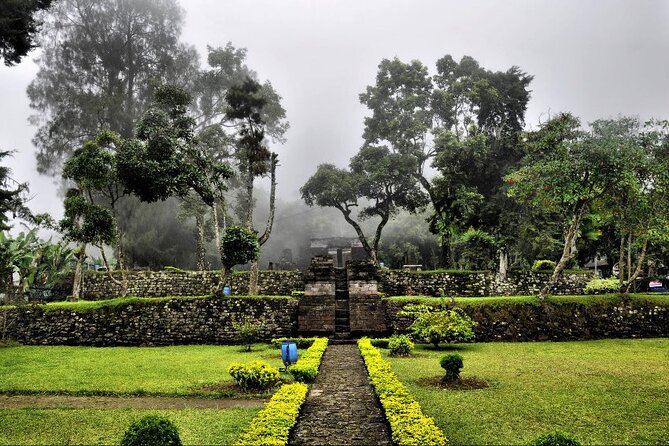
- Cetho Temple: royal enlightenment beliefs and a slower visit
- Your guide and the small-group setup (max 12)
- Price and value: is $155.13 per person fair?
- Logistics that actually matter: tickets, transport, and time
- Who should book this tour—and who should skip it
- Should you book the Sukuh and Cetho Temple Tour?
- FAQ
- How long does the Sukuh and Cetho Temple Tour take?
- Is hotel pickup and drop-off included?
- How big is the group?
- Which sites are included in the full-day itinerary?
- Are admission tickets included?
- What kind of fitness level do I need?
- Is there a minimum number of travelers per booking?
- When will I get confirmation after booking?
- What if I need to cancel?
- Is there a mobile ticket?
Key things that make this tour work
- Small group (max 12): better explanations, fewer bottlenecks at key spots
- Sukuh’s unusual architecture: a Hindu temple style that looks different from the usual Java expectations
- Cetho’s meaning and stories: you get the local beliefs behind why people connect the temple with royal enlightenment
- More than temples: Radya Pustaka Museum antiques and Mangkunegaran Palace culture add context
- Hotel pickup and round-trip transport: you stay focused on the sites, not on driving and navigation
Off the trail? More hidden temples and the Chicken Church near Yogyakarta
- Jogja Hidden Gems – Cycling Tour★ 5.0 · 158 reviews
- Sukuh and Cetho Temple Tour from Yogyakarta★ 5.0 · 4 reviews
- The Hindu Realms of the Prambanan★ 5.0 · 4 reviews
A full-day temple run: what 10 to 12 hours really feels like
This is a 10 to 12 hour day that starts with pickup and ends with return transport to your Yogyakarta hotel. The driving time is described as 5 to 6 hours, so yes, a big chunk of the day is spent in the car. Plan it like an all-day trip, not a quick outing.
The upside is that you are not juggling logistics. You get to relax, watch the scenery, and arrive ready to walk and look. The reviews hint at this exact tradeoff: it is long, but people felt the time was well spent once they reached the temples.
For me, the best part of a day like this is the pacing between major stops. You are not just jumping between two buildings. You also get time to slow down at the palace and museum first, which helps you understand what you are seeing later.
Radya Pustaka Museum: antiques first, so the temples land better
Before you hit the temple sites, the day includes the Radya Pustaka Museum and its antique collection. This is not just a warm-up. It helps you read Java’s cultural layers with clearer eyes.
What you can expect here is a museum visit focused on old objects and collections. Since the tour includes commentary, you are not stuck wandering and guessing what everything means. If you like understanding how past life connects to art and architecture, this stop is a big value-add.
A practical tip: wear something comfortable for museum time. You may think you are only dressing for temple steps, but museums tend to mean more indoor standing and walking than you expect.
Mangkunegaran Palace: a smaller palace with a big story
Next comes Mangkunegaran Palace. This stop is described as a smaller palace, but interesting to explore, with old collections you can view up close. The guide also shares the story of the royal family in Solo—so you are not just looking at rooms. You get context for why the palace mattered and how it fits into the region’s cultural world.
This palace stop is also where the tour starts to feel like a guided narrative. When you understand the people and the era behind the art, the later temple visits make more sense. The itinerary also indicates an admission ticket is included for this stop, which keeps the day simple.
If you are the type who enjoys royal history but hates reading long plaques, this is a good compromise. You get the key points through the guide, and you still have time to wander at your own pace.
Sukuh Temple: a Hindu temple in Java that looks different
Then the tour shifts to Sukuh Temple, and this is where the day’s personality really shows up.
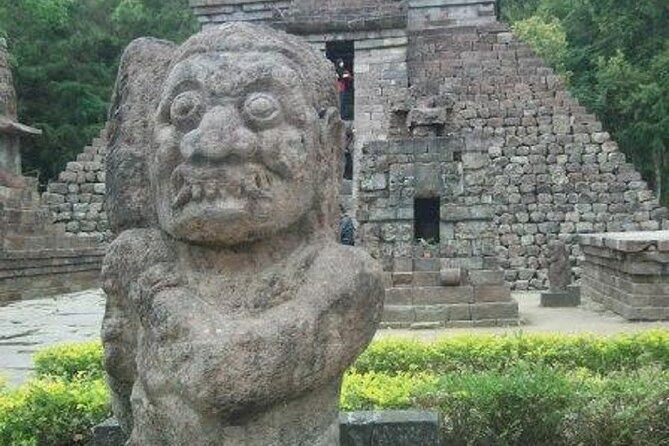
Sukuh is highlighted as a Hindu temple in Central Java with different characters and architecture compared with other temples on Java. In plain terms: you are not going to feel like you already know what it looks like. It has its own visual language, and the guide’s commentary helps you interpret the details instead of just snapping photos.
You will have around 2 hours at this stop, which is long enough to do more than rush around. You can take time to notice carvings, proportions, and layout. If you like temple architecture, Sukuh is a strong payoff.
One more thing: the trip includes the ride to the temples, and the reviews say the ride was amazing. That matters more than people think. On temple days, the drive is part of the experience—especially when you’re looking forward to reaching viewpoints and feeling the “we are really there” moment.
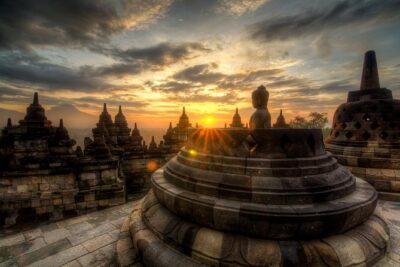
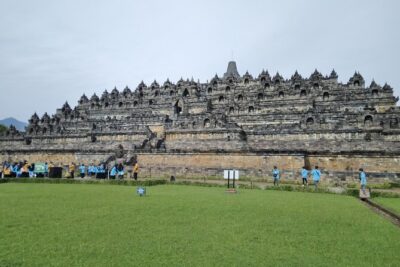
Cetho Temple: royal enlightenment beliefs and a slower visit
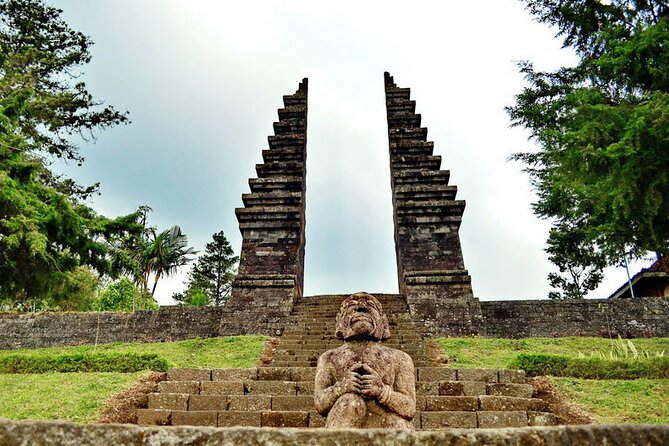
The final major temple stop is Cetho Temple. It’s described as a Hindu temple where people believe it was the last place for the king’s enlightenment. There is also a story connected to the belief that the king could disappear from an enemy attack.
Even if you are not a mythology person, the value here is the guide’s explanation. These temples are not only buildings; they are tied to belief systems. When you understand the story attached to a site, you read the space differently.
You get about 3 hours at Cetho, which is the longest temple slot of the day. That extra time matters. It gives you a chance to slow down, explore, and settle into the place instead of just passing through.
If you get tired, this is the stop where you can adjust your pace. With an extra hour compared to Sukuh, you can step away, take breaks, and still feel like you did the temple visit properly.
Your guide and the small-group setup (max 12)
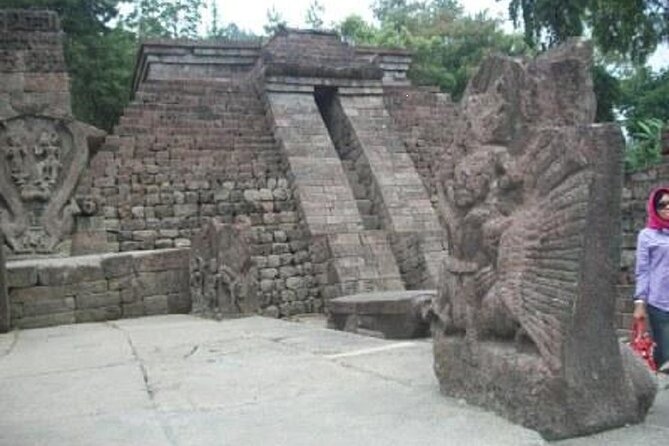
This tour is set up as a small-group tour limited to 12 people, and it also runs as a private tour/activity where only your group participates. That combination is rare enough to matter.
What it usually means on the ground:
- fewer people competing for the same angles and paths
- easier conversation with your guide
- more flexible pacing when you have questions
The reviews strongly praise the guide and driver, and you can feel why. Temple days go best when your guide is confident and your driver is smooth—especially because you are traveling between multiple cultural stops. A great guide also helps you notice what you would otherwise miss.
Ask questions as you go. If the guide offers explanations at each temple, take them. It turns the day from sightseeing into understanding.
Price and value: is $155.13 per person fair?
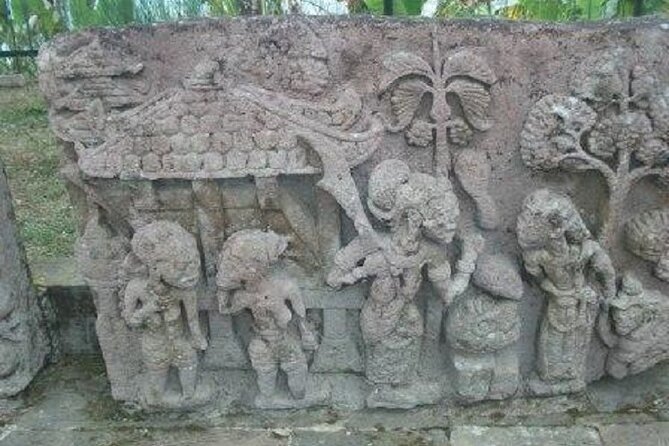
At $155.13 per person, this tour is not the cheapest way to see Sukuh and Cetho. But you are buying a full package: round-trip transport from your Yogyakarta hotel, a small group, and admission tickets included for the main sites named in the itinerary.
Here is the value logic I use for a day like this:
- If you would otherwise hire a private driver, plan your own stops, and handle admissions, costs add up fast.
- You also avoid the mental load of coordinating timing across multiple locations.
- The extra stops (Radya Pustaka Museum and Mangkunegaran Palace) make the day feel fuller than a simple temple hop.
One note from the schedule: you are paying for a long day. You will be in transit for several hours, so this is best if you want a structured day with guided stops, not if you crave free time.
Also worth knowing: the tour is commonly booked about 20 days in advance on average. If you are traveling in a busy period, waiting too long could squeeze your options.
Logistics that actually matter: tickets, transport, and time
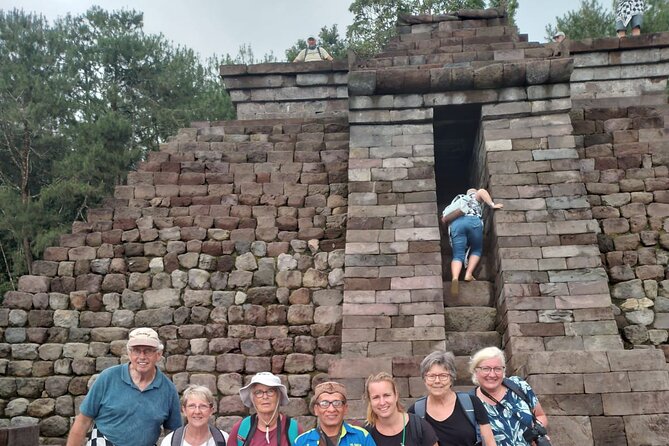
This is a full-day tour, and time is the main thing to respect. Expect a day that runs from pickup through multiple sites and returns later, with around 5 to 6 hours of driving/overall travel time noted.
The good news is that they use a mobile ticket, so you are not scrambling for paperwork. The day is also described as including pickup and round-trip transport. That is huge for comfort on a temple-heavy itinerary.
Moderate physical fitness is mentioned. Translation: you should be able to handle walking and time on-site without needing constant stops. If you have mobility constraints, you should think carefully and ask the operator how the day is paced.
Who should book this tour—and who should skip it
This tour is a great match if you:
- want Sukuh and Cetho with a guide who explains what you’re seeing
- like cultural context, not only architecture
- prefer small groups over large bus crowds
- are comfortable with a 10 to 12 hour day
It is not the best fit if you:
- hate long driving days
- need lots of downtime or short, casual sightseeing only
- are looking for a free-and-flexible itinerary with lots of personal detours
Also keep in mind the minimum booking requirement: the tour requires at least 2 people per booking. If you are traveling solo, you may need to confirm how departures work for single travelers.
Should you book the Sukuh and Cetho Temple Tour?
I would book this if your goal is a guided, structured day that mixes palace, museum, and two temple visits—especially if you care about learning the meaning behind what you see. The small-group limit of 12 people plus the praise for the guide and driver makes it feel like a thoughtful outing rather than a rushed ride-through.
The one real caution is the time. You are paying for comfort and guidance, but the day is long and you will be in the car for a big chunk. If you can handle that, the temples themselves are given enough time for you to actually enjoy them, not just tick them off.
If you want temples with explanations, and you are okay with a full day in transit, this tour is a solid value for the money.
FAQ
How long does the Sukuh and Cetho Temple Tour take?
The tour runs about 10 to 12 hours.
Is hotel pickup and drop-off included?
Yes. Pickup is offered, and round-trip transport from your Yogyakarta hotel is included.
How big is the group?
It is limited to 12 people, and it is run as a private tour/activity for your group.
Which sites are included in the full-day itinerary?
You’ll visit Radya Pustaka Museum, Mangkunegaran Palace, Sukuh Temple, and Cetho Temple.
Are admission tickets included?
Yes. Admission tickets are included for the stops listed in the itinerary, including Mangkunegaran Palace, Sukuh Temple, and Cetho Temple.
What kind of fitness level do I need?
The tour lists moderate physical fitness as the requirement.
Is there a minimum number of travelers per booking?
Yes. A minimum of 2 people is required per booking.
When will I get confirmation after booking?
You’ll receive confirmation at the time of booking, unless you book within 12 hours of travel, in which case confirmation is provided as soon as possible subject to availability.
What if I need to cancel?
You can cancel free of charge up to 24 hours in advance for a full refund.
Is there a mobile ticket?
Yes. The tour includes a mobile ticket.
More Hidden Temples and the Chicken Church near Yogyakarta
- Jogja Hidden Gems – Cycling Tour
★ 5.0 · 158 reviews - Yogyakarta City tour and Ijo Temple Sunset
★ 5.0 · 16 reviews - The Hindu Realms of the Prambanan
★ 5.0 · 4 reviews
More Yogyakarta Tour Reviews Worth Reading
- Borobudur Sunrise from setumbu Hill , Merapi Volcano & Prambanan Full Day Tour
★ 5.0 · 1,030 reviews - Borobudur Temple Climb To The Top & Prambanan Temple – 1 day tour
★ 5.0 · 638 reviews - Menoreh Village Cycling
★ 5.0 · 611 reviews
Not quite the one? Here is more to do around Yogyakarta, freshly reviewed by us



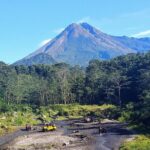
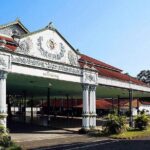
Hidden Temples & Chicken Church, compared.
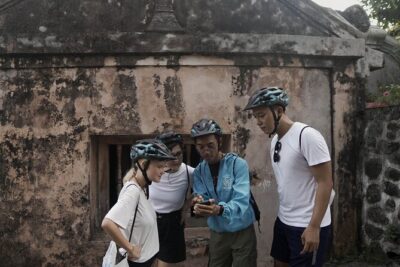 ★ 5.0Jogja Hidden Gems – Cycling TourFrom $45158 reviews
 ★ 3.5Chicken Church Local Attraction Near Of Borobudur TempleFrom $618 reviews
 ★ 5.0Yogyakarta City tour and Ijo Temple SunsetFrom $6516 reviews
 ★ 5.0Hidden Gems Temples TourFrom $454 reviews
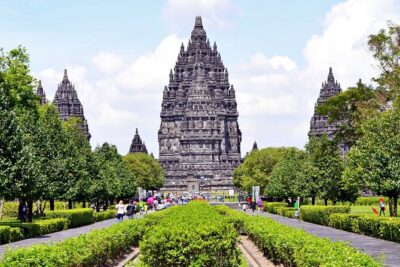 ★ 5.0The Hindu Realms of the PrambananFrom $1234 reviews
 ★ 5.01 day tour borobudur temple,prambanan temple,plaosan templeFrom $1053 reviews
 ★ 4.5Chicken Church at Karangrejo Village Admission TicketFrom $673 reviews
Browse the lists this tour appears in