
Reviewed · HIDDEN TEMPLES & CHICKEN CHURCH
Jogja Hidden Gems – Cycling Tour
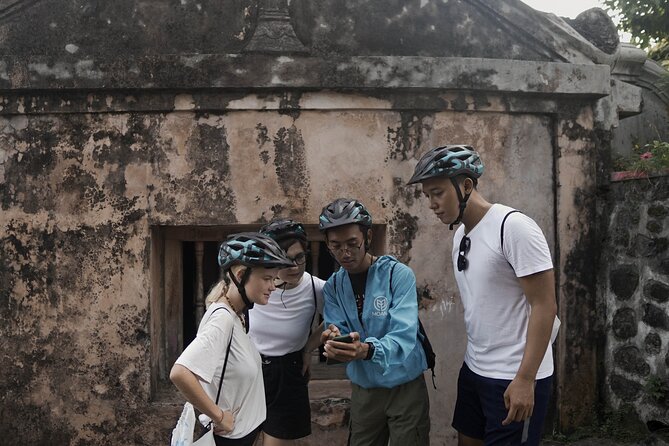
Pedal where Yogyakarta life leaks into the street. This 3-hour cycling tour threads together riverside Kalicode areas, a quick look at Sultanate grounds, and small-street neighborhoods where daily life is still very local. You also fit in a visit tied to Chinese heritage, a short stop around Kraton, and Tamansari’s food market energy along the way.
What I like most is the mix: riverside riding plus real-life street corners, not just famous sights on autopilot. I also love that you get local snacks and drinks and time to talk with the guide about Javanese culture and script, which turns the ride into a moving conversation. One thing to consider: this is about 11 km total and it’s listed for travelers with moderate physical fitness, so it helps if you’re comfortable cycling at an easy-to-moderate pace in an urban setting.
In This Review
- Key highlights worth your time
- Riding the Kalicode riverside first: the tone-setter for 3 hours
- Sultanate grounds and a quick Kraton visit: seeing governance, not just palaces
- Back streets, a Chinese temple, and kampung daily life
- Tamansari market snacks and the Masangin banyan-tree pause
- Guide power: MOANA’s local experience and Alfat’s storytelling
- Sustainability details that feel real, not just green branding
- Price and value: is $45 worth it for 3 hours?
- Who should choose this cycling tour, and who should skip
- Practical details you should plan around (so the ride stays fun)
- Should you book the Jogja Hidden Gems cycling tour?
- FAQ
- How long is the Jogja cycling tour?
- How far do you cycle?
- What times are available?
- Where do we meet and where does it end?
- What’s included in the price?
- Is pickup or drop-off included?
- Can I cancel for free?
Key highlights worth your time
- Riverside Kalicode start in the city center: easy-to-find beginning, calm river feel, then gradual shift into historic areas.
- Sultanate grounds and royal family area access: a short, meaningful look at how the Sultan shapes civic life.
- Small streets and kampung-style local living: you’ll see how people live when you’re not standing at a postcard viewpoint.
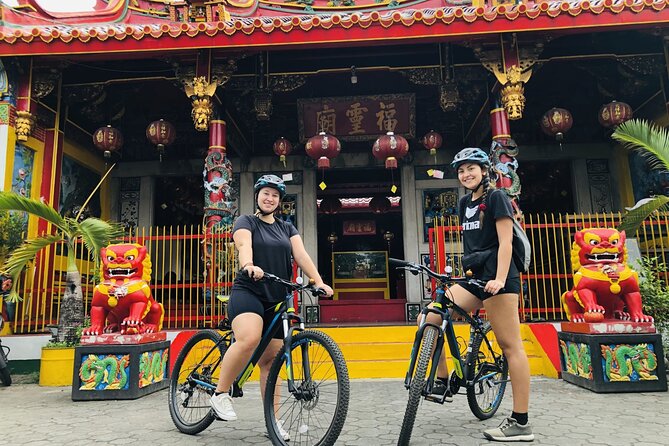
- Stops that mix culture and food: a Chinese temple visit plus a Tamansari traditional culinary market pause for snacks.
- Masangin between banyan trees: a specific roadside moment your guide will connect to local meaning.
Pedal on with more village cycling routes around Yogyakarta
- Menoreh Village Cycling★ 5.0 · 611 reviews
- Authentic Yogya Bicycle Tour★ 5.0 · 232 reviews
- Kotagede Royal Route – Cycling Tour★ 5.0 · 207 reviews
Riding the Kalicode riverside first: the tone-setter for 3 hours
I like tours that start with a moment that feels simple and human. Here, you begin around the riverside Kalicode areas in the Yogyakarta city center. That first stretch matters because it eases you into the rhythm of the ride—less intimidating than jumping straight into thick traffic—and it gives you a calm baseline before the tour switches gears toward the Sultanate and historic lanes.
You’ll cycle for about 3 hours covering roughly 11 km, so think of this as a relaxed city workout, not a long-distance endurance test. You don’t need bike-commuter strength. You do need to be willing to pedal for sustained chunks at a comfortable pace, stop, start, and share the road like a local.
Your bike choice is practical: you ride either a mountain bike or a city bike, plus you get a helmet. In a tour like this, the bike type isn’t just comfort—it also affects confidence on uneven pavement and narrower turns. If you’re the type who cares about stability, the mountain bike option can feel reassuring for city edges and occasional rough patches.
Sultanate grounds and a quick Kraton visit: seeing governance, not just palaces
The big “why” of this tour is the way it frames Yogyakarta. The Sultanate is not just a museum story. Your route is built to give you an insider feel for a city where the Sultan still serves as both king and governor. That context changes how you look at the Royal areas—suddenly the walls and compounds feel like part of the living system, not a distant attraction.
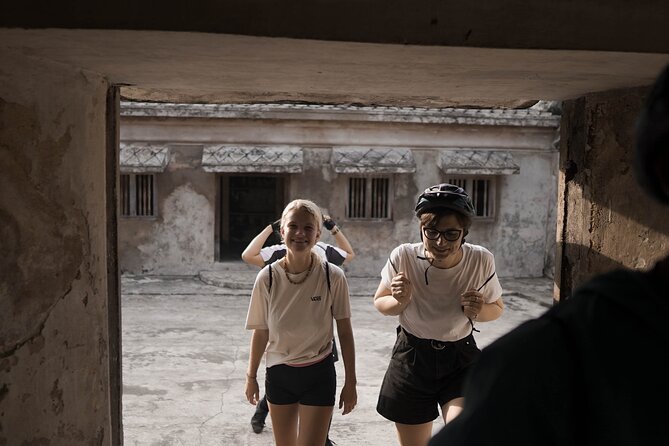
You spend time continuing toward the Sultanate’s grounds, including a short visit around the Kraton area. The tour keeps it brief, which is a good match for this ride format. You’re not stuck standing in one spot for hours. Instead, you get the shape of the place and the cultural explanation, then you move on while your brain is still tuned to the theme.
A subtle but useful detail: you’re not just receiving facts from a distance. The tour is designed around “local insights” and a conversation-style experience. You’ll learn things tied to Javanese culture and script from local experts, and that helps you connect what you see with what people actually do and value.
One note: because this is a short stop, don’t expect a long, slow palace deep-exploration. If you want hours of structured sightseeing inside royal interiors, you might want a separate Kraton-focused tour. But if your goal is to understand the city’s logic while riding through it, this approach works well.
Back streets, a Chinese temple, and kampung daily life
After the Sultanate-area context, the route shifts into neighborhood texture. This is where the tour earns its “hidden lanes” vibe—without relying on dramatic storytelling. You cycle through neighborhoods behind small streets, which is exactly where you see everyday life unfolding: errands, street social space, and the look of a city that runs on routines, not schedules for visitors.
There’s also a Chinese temple visit on the program. That stop adds another layer to the cultural map of Yogyakarta. Instead of treating culture as one timeline or one tradition, you get a chance to see how different communities and religious spaces sit side-by-side in the city.
You also get to meet local people with urban living perspectives. Even when you’re just passing, your guide’s explanations help you interpret what you’re seeing—like understanding street patterns, community pace, and how people use small spaces. And because the tour is built around local experts, you don’t just get a random stop list. You get context that makes the ride feel like you’re reading the city.
The practical upside of this segment: it’s memorable precisely because it’s not built for camera poses. You’re moving. You’re close. You’re learning while you go.
Tamansari market snacks and the Masangin banyan-tree pause
One of my favorite moments in a cycling tour is when the guide turns a break into a cultural signal. Here, you get that in the Tamansari segment, which includes a short visit to the area and time tied to a traditional culinary market feel. This is where you can slow down, taste something local, and take a breather without turning the tour into a stop-and-start food crawl.
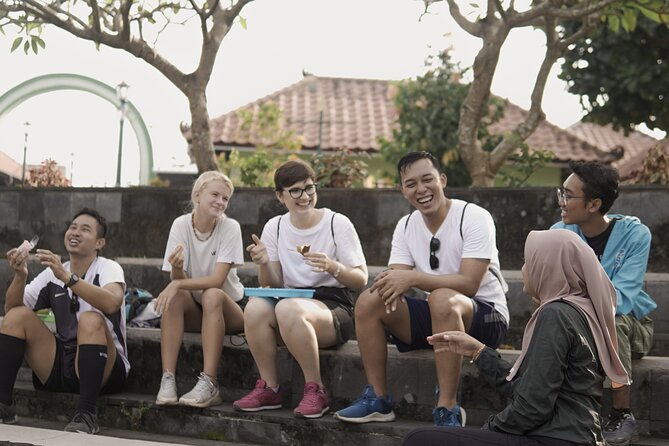
You’ll have local snack & drink breaks during the ride. The tour includes refreshing drinks and snacks, so you’re not constantly calculating what to buy or where to find something safe and simple. I like included food on tours like this because it keeps the pace steady and keeps you focused on the experience rather than logistics.
Then there’s a very specific experience listed: Masangin between banyan tree. This is the kind of stop that can be easy to miss if you’re on your own—just a short pause you might not think to search for. Here, you’re stopping intentionally, and your guide will connect it to local meaning. If you enjoy small rituals and street-level culture, this will likely be one of your standout memories because it feels direct and place-based.
Because the tour is only about 3 hours, these pauses matter. They help you stay comfortable in the saddle and digest what you’re seeing, instead of pushing through with tunnel vision.
Off the trail? More hidden temples and the Chicken Church near Yogyakarta
Guide power: MOANA’s local experience and Alfat’s storytelling
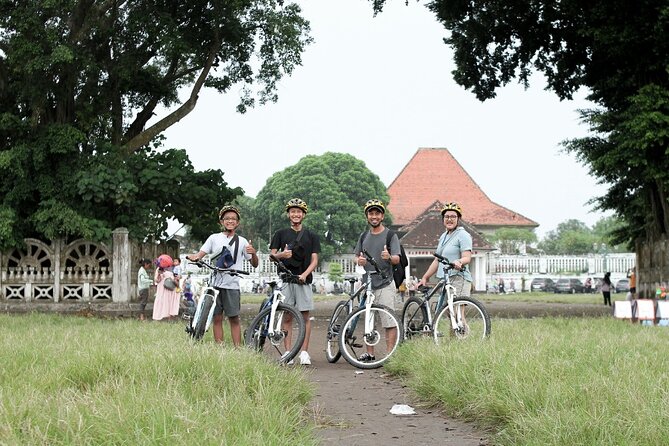
The ride quality matters, but guides are what turn route into story. The tour is run by MOANA – Sustainable Cycling Tour, and it’s designed for small groups—maximum 10 travelers. That size helps in two ways: you can actually hear what’s being explained, and the guide can pace the group without leaving anyone behind.
One guide name that comes up in feedback is Alfat. People specifically noted that he was very good at sharing history of Yogyakarta and helping guests understand what’s happening in daily life, not only at landmarks. That’s exactly the kind of guiding style you want for a route like this, where your success depends on learning how to “see” the city while moving through it.
You’ll also have a road captain. In practice, that makes a difference when you’re sharing roads in a busy city. It’s a small inclusion, but it helps keep the group together and the ride smoother.
Overall, the tone is friendly and practical: you’re guided through neighborhoods, temple-related and Sultanate-related context, and snack stops. Then you end back at the meeting point.
Sustainability details that feel real, not just green branding
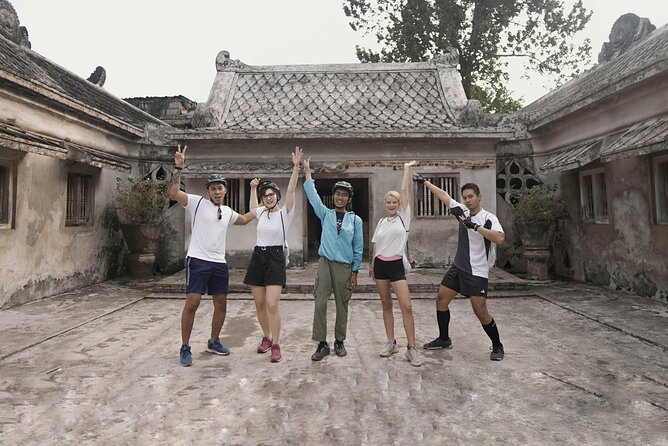
This tour leans into sustainability in ways you can actually spot. You get an eco-string bag, you’re cycling instead of using a car, and the package includes a sustainability action fund. Those are not just logo points. They support the idea that local cycling-based tours can reduce vehicle impact and keep the experience more connected to neighborhoods rather than driving from one viewpoint to the next.
I also like that the tour is structured as a sharing cycling tour, not a private chauffeur experience. When you share the road and the route, you naturally slow down. That’s where the local feel comes from. You’re not insulated. You’re part of the city’s movement.
Price and value: is $45 worth it for 3 hours?
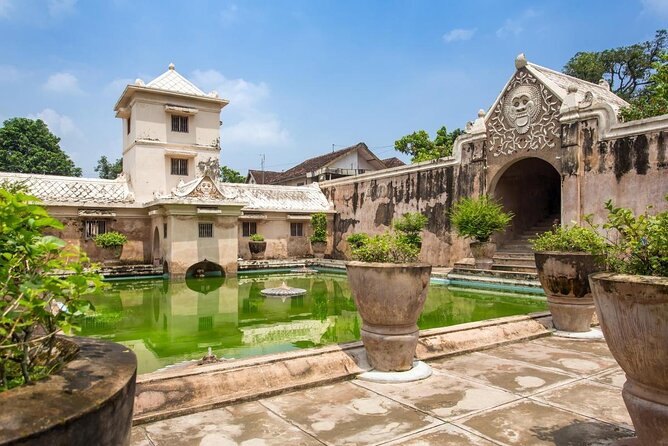
Let’s talk money in a plain way. At $45 for about 3 hours and around 11 km, you’re paying for more than “a bike and a route.” The included items matter:
- Bicycle and helmet (so you don’t have to rent or worry about safety gear)
- Local experience plus on-the-ground guidance and cultural explanations
- Refreshing drinks and snacks
- Free eco-string bag
- Road captain support during the ride
- Sustainability action fund
- Admission ticket is listed as free for the experience portion
There’s also the human factor: a small group with a guide makes it easier to ask questions and get real context. If you’ve paid for city tours where you’re basically herded between stops, this format tends to feel more like a guided walk—just faster and with better city coverage.
What’s not included is straightforward: pickup/drop services are not provided, and tipping the guide is not included (you tip only if you’re satisfied). If you’re staying near public transport or can reach the meeting area easily, that doesn’t hurt the value. If you need door-to-door transport every time, you may want to plan your commute to the start point in advance.
Also, the tour has a strong track record: it’s listed as 5/5 with 158 reviews and 100% recommended. That doesn’t replace your own judgment, but it’s a useful signal that the experience lands well for most people.
Who should choose this cycling tour, and who should skip
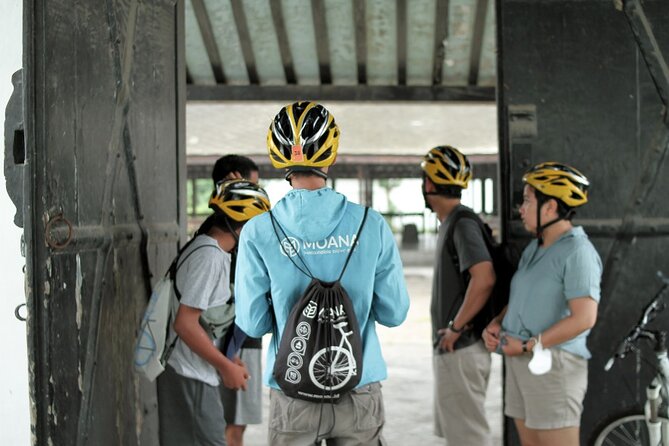
This is a good fit if you:
- like city cycling with frequent stopping and chatting
- want Sultanate-era context without committing to a full-day palace circuit
- enjoy street-level culture: small lanes, neighborhood life, food market energy
- appreciate a guide-driven experience with included snacks and drinks
- prefer groups capped at 10 travelers
It may not be the best fit if you:
- want only major landmarks and long museum-style stays
- strongly dislike mixed-use roads or the stop-and-go flow of city riding
- need frequent rest breaks beyond what a typical 3-hour cycling tour includes
- can’t handle moderate physical fitness requirements (11 km still adds up)
Practical details you should plan around (so the ride stays fun)
You’ll choose one of two time slots: 07:00–10:00 for the morning option, or 14:30–17:30 for the afternoon option. The tour ends back at the start point, so you don’t need to figure out a separate finish location.
You’ll meet at MOANA Hub Prawirotaman (also listed with the address Jl. Gerilya No.646, Brontokusuman, Kec. Mergangsan, Kota Yogyakarta). The activity is noted as being near public transportation, which matters because pickup and drop-off aren’t included.
You’ll also receive confirmation at booking time, and the tour uses a mobile ticket. That’s helpful if you like to keep everything in one place on your phone.
Should you book the Jogja Hidden Gems cycling tour?
I’d book it if you want a Yogyakarta experience that feels like you’re moving with the city—riverside rhythm first, then Sultanate context, then neighborhoods, then Tamansari food moments. The included bike, helmet, snacks, and guide support make it good value for $45, and the small group size plus strong guide feedback (including Alfat) are big quality signals.
Skip it if your ideal day is mostly slow walking through monuments with minimal cycling, or if you need a private, door-to-door setup. For everyone else—especially first-timers who want a smart, cultural route without spending your whole day in line—that short 3-hour ride is an efficient way to get a real feel for Jogja.
FAQ
How long is the Jogja cycling tour?
The tour is about 3 hours.
How far do you cycle?
The cycling distance is listed as 11 km.
What times are available?
There are two options: 07:00–10:00 (morning) and 14:30–17:30 (afternoon).
Where do we meet and where does it end?
You meet at MOANA Hub Prawirotaman (Jl. Gerilya No.646, Brontokusuman, Kec. Mergangsan, Kota Yogyakarta). The tour ends back at the meeting point.
What’s included in the price?
Included are the bicycle, helmet, eco-string bag, local experience, refreshing drinks and snacks, a road captain, and a sustainability action fund. Admission ticket is listed as free for the experience portion.
Is pickup or drop-off included?
No. Pick up and drop services are not included.
Can I cancel for free?
Yes. You can cancel up to 24 hours in advance for a full refund.
More Yogyakarta Cycling and Village Tours
- Menoreh Village Cycling
★ 5.0 · 611 reviews - Authentic Yogya Bicycle Tour
★ 5.0 · 232 reviews - Kotagede Royal Route – Cycling Tour
★ 5.0 · 207 reviews
More Yogyakarta Tour Reviews Worth Reading
- Borobudur Sunrise from setumbu Hill , Merapi Volcano & Prambanan Full Day Tour
★ 5.0 · 1,030 reviews - Borobudur Temple Climb To The Top & Prambanan Temple – 1 day tour
★ 5.0 · 638 reviews - Menoreh Village Cycling
★ 5.0 · 611 reviews
Not quite the one? Here is more to do around Yogyakarta, freshly reviewed by us
Hidden Temples & Chicken Church, compared.
 ★ 3.5Chicken Church Local Attraction Near Of Borobudur TempleFrom $618 reviews
 ★ 5.0Yogyakarta City tour and Ijo Temple SunsetFrom $6516 reviews
 ★ 5.0Hidden Gems Temples TourFrom $454 reviews
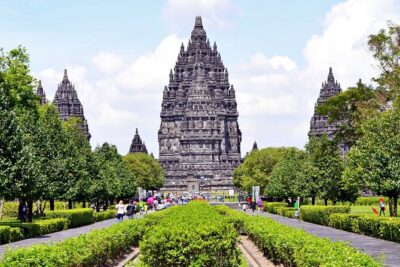 ★ 5.0The Hindu Realms of the PrambananFrom $1234 reviews
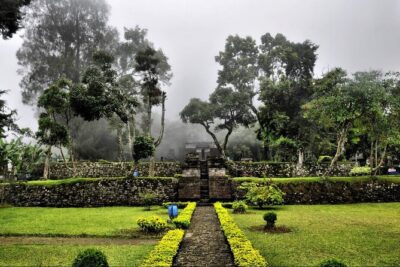 ★ 5.0Sukuh and Cetho Temple Tour from YogyakartaFrom $1554 reviews
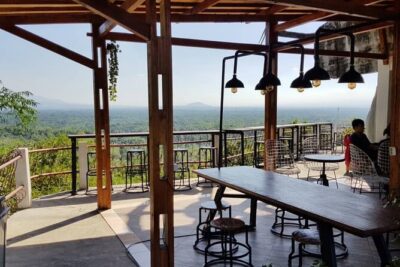 ★ 4.5Chicken Church at Karangrejo Village Admission TicketFrom $673 reviews
 ★ 5.01 day tour borobudur temple,prambanan temple,plaosan templeFrom $1053 reviews
Browse the lists this tour appears in