

Reviewed · HIDDEN TEMPLES & CHICKEN CHURCH
Hidden Gems Temples Tour
A quiet morning temple crawl in Yogyakarta is a real treat. This private 10-hour route takes you to places you don’t usually see on the busiest bus stops, with an English-speaking driver who can also act as your guide. I like that admission tickets are included at every stop, and you get that one-group-at-a-time feel that makes the sites feel personal. One thing to plan for: the day runs on good weather, so rain can shuffle your plans.
I also love how the temples here show different sides of Central Javanese spirituality, with Hindu and Buddhist sites woven through the same day. You’re not just ticking boxes either; you’ll hear context like the buried temples’ rediscovery stories and what the reliefs were meant to teach. The main drawback is simple: 10 hours is long, so bring snacks and expect a full schedule from the 8:00am start.
In This Review
- Key Highlights You’ll Care About
- First Things First: What This Temple Day Really Feels Like
- Price and Value: Why $45 Makes Sense (If You Plan to Visit Several Sites)
- How Logistics Work: Pickup, Mobile Ticket, and a Calm 8:00am Start
- Temple Culture in One Day: Hindu and Buddhist Sites Side by Side
- Sambisari Temple: A Buried Hindu Temple from the 9th Century
- Candi Banyunibo: A Collapsed Buddhist Temple Rediscovered in 1940
- Ijo Temple: Hilltop Hindu Views and the Sense of Height
- Barong Temple: Medang-Period Relic and Early-20th-Century Rediscovery
- Sojiwan Temple: Buddhist Reliefs That Still Carry Practical Meaning
- Plaosan Temple: Hindu-Buddhist Harmony in One Location
- Time Management: Six 1.5-Hour Blocks Add Up to Real Temple Attention
- What You’ll Get Most from the English Driver/Guide
- Who This Tour Is Best For (And Who Might Want Something Else)
- Should You Book This Temple Tour?
- FAQ
- What is the duration of the Hidden Gems Temples Tour?
- What time does the tour start?
- Are temple admission tickets included?
- Is this tour private?
- Do I get pickup and drop-off?
- Do they provide mobile tickets?
- What happens if the weather is poor?
Key Highlights You’ll Care About
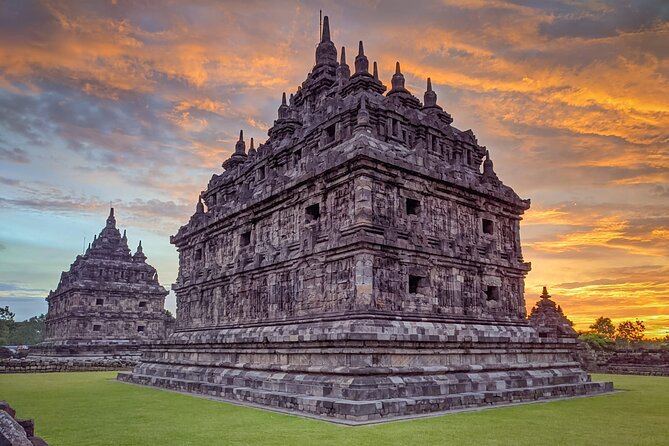
- A private, 10-hour plan with only your group, so you won’t feel herded
- English-speaking driver/guide to help you understand what you’re looking at
- Admission included at each temple stop, which adds real value
- Buried and hilltop temples in one day, mixing surprise with great views
- Reliefs and religious symbolism explained in a way you can actually use
- Mobile ticket + pickup flexibility for smoother logistics
Off the trail? More hidden temples and the Chicken Church near Yogyakarta
- Jogja Hidden Gems – Cycling Tour★ 5.0 · 158 reviews
- Sukuh and Cetho Temple Tour from Yogyakarta★ 5.0 · 4 reviews
- The Hindu Realms of the Prambanan★ 5.0 · 4 reviews
First Things First: What This Temple Day Really Feels Like
This tour is built for people who want more than the usual highlight reel. You’ll spend the morning through early afternoon moving between temple sites that many visitors miss, while your English-speaking driver keeps the day understandable and low-stress.
The best part, in plain terms, is the pacing and access. It’s private, so you get time to look without constantly working around crowds. Add in the included admission tickets, and the day feels like one paid plan instead of a chain of separate charges.
Price and Value: Why $45 Makes Sense (If You Plan to Visit Several Sites)
At $45 per person, the value comes from two things you feel immediately. First, you’re covering a full run of major archaeological stops (six temples) in one booking. Second, temple admissions are included at each stop, which is where budget tours often sneak in extra costs.
Also, the tour is typically booked about 93 days in advance on average. That tells me it’s popular for a reason—private temple tours in Yogyakarta can sell out around good weather windows.
If you’re coming with 2–4 people, this can be especially cost-efficient versus doing the sites one-by-one with separate transport and entry fees. If you’re traveling solo, it still holds up as long as you’re okay with a long, structured day.
How Logistics Work: Pickup, Mobile Ticket, and a Calm 8:00am Start
Start time is 8:00am, so yes, it’s an early start. But you’re also choosing a day built around daylight viewing and traveling between sites efficiently.
You can arrange pickup and drop-off in advance, which matters because “meet me somewhere” plans can turn annoying fast. The tour also uses a mobile ticket, so you’re not scrambling for paper vouchers. And the meeting point is near public transportation, which is helpful if your accommodation doesn’t line up neatly with private pickup.
One more practical note: this tour says only your group participates. That usually means fewer compromises on timing and photo stops, because you aren’t trying to keep a mixed crowd moving.
Temple Culture in One Day: Hindu and Buddhist Sites Side by Side
Yogyakarta’s temple heritage isn’t just one style or one tradition. This day mixes Hindu and Buddhist sites across what the temples’ dates suggest about the region’s long, layered religious life.
That mix is one of the reasons the route is interesting. Instead of seeing temples as identical “photo platforms,” you’ll notice differences in spiritual focus, design choices, and how symbolism shows up in stone. Even if you’re not an architecture nerd, you’ll get more out of the visit because the temples are not competing with each other—they’re showing different messages.
Sambisari Temple: A Buried Hindu Temple from the 9th Century
Your first major stop is Sambisari Temple, described as an underground Hindu temple built in the 9th century by the Rakai Grung king. The big idea here is surprise: you’re looking at a place that was literally hidden under the ground, then brought back into view.
If you like archaeology, this is the kind of stop that clicks fast. Buried temples aren’t just “old buildings”—they’re time capsules. You’ll likely feel that contrast in how you approach the site: from ordinary surroundings to something structured, intentional, and ancient.
A possible consideration: because it’s underground, the mood can feel cooler and more enclosed than hilltop temples. If you like open-air views, you may enjoy the contrast later in the day.
Candi Banyunibo: A Collapsed Buddhist Temple Rediscovered in 1940
Next comes Candi Banyunibo, a Buddhist temple from the 9th century associated with the ancient Mataram kingdom era. What makes it special is the rediscovery story: it was found again in 1940, in a collapsed condition and covered under the ground.
This is the kind of site that rewards a slower look. When you’re dealing with ruins and rediscovery, you naturally start asking how the site looked originally, not just how it looks today. That’s also why this stop fits well inside a private tour: you can take a minute without feeling rushed.
The drawback is also simple. With a collapsed, buried history, the structure you see may feel less complete than fully restored temples. If your ideal temple day is perfectly “complete and polished,” you might find this one more atmospheric than scenic.
Ijo Temple: Hilltop Hindu Views and the Sense of Height
Then the route shifts upward to Ijo Temple, a Hindu temple built in the 9th century on a hill. It’s described as the highest temple in Yogyakarta, and the view from here is part of the point.
Even if you don’t think of yourself as a “view person,” hilltop temples change how you read the site. You can see the broader setting, and that helps the temple feel purposeful rather than random. It’s also a great moment to catch your breath after the earlier underground atmosphere.
One consideration: being on a hill can be a bit more physically demanding than flatter sites. Wear something comfortable for walking and plan for uneven ground.
Barong Temple: Medang-Period Relic and Early-20th-Century Rediscovery
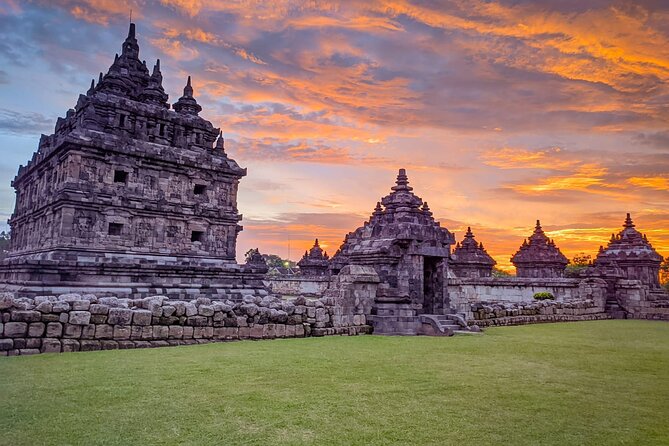
After that, you visit Barong Temple, thought to date around the 9th and 10th centuries as a relic of the Medang Kingdom from the Mataram period. The other story thread is its rediscovery—this temple was found again at the beginning of the 20th century.
This stop works well for travelers who like the long arc of history. You’re seeing evidence of older cultural phases (Medang, Mataram), then also the later moment when interest in preservation and discovery brought the site back into public awareness.
Because the timeframe and the rediscovery period are both part of what defines Barong Temple, the most useful way to enjoy it is to look at it as a living conversation between centuries—not just as a static ruin.
Sojiwan Temple: Buddhist Reliefs That Still Carry Practical Meaning
Next is Sojiwan Temple, a Buddhist temple built between 842 and 850 M. The standout detail here is its reliefs: around 20 reliefs at the foot of the temple, teaching Buddhist moral values that are still relevant today.
This is one of the stops where the guide side matters. Reliefs can be hard to appreciate if you don’t have context. With an English-speaking driver/guide, you’re more likely to connect what you see with what it was meant to teach.
I like this kind of site because it’s not only about stone and age. It links the message in the artwork to daily life, which makes the temple feel less like a museum object and more like a communication tool from the past.
Plaosan Temple: Hindu-Buddhist Harmony in One Location
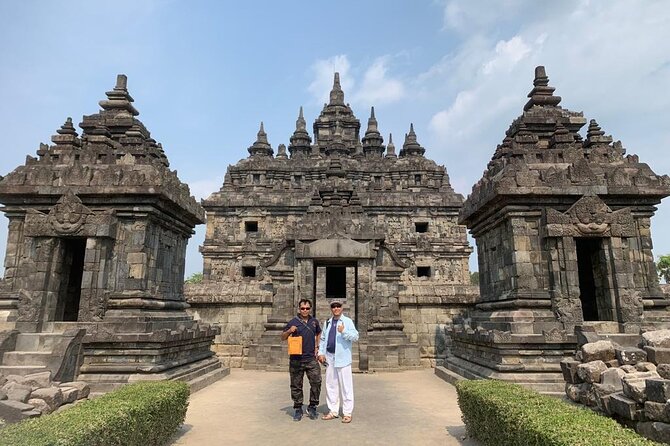
Your final temple stop is Plaosan, described as a combination of Hindu and Buddhist temples in one location. It’s presented as a symbol of harmonization and good tolerance that lasted over time, and there’s also a stated connection between Prambanan and Buddhist temple traditions.
This is a strong way to end the day, because it pulls the earlier themes together. By now you’ve seen different traditions and different temple forms. Plaosan gives you a “how they coexisted” lens, which adds meaning to all the earlier stops.
If you love symbolism and want the day to feel like more than driving around, this one tends to do the job. You may finish the tour thinking about how religion and culture overlap in architecture.
Time Management: Six 1.5-Hour Blocks Add Up to Real Temple Attention
Each temple is allotted about 1 hour 30 minutes. That’s a good amount of time for a private route. It lets you walk around, pause for photos, and still have room for explanation without feeling like you’re being dragged along.
The day is also long overall at roughly 10 hours. If you want to maximize enjoyment, treat the day like a marathon, not a sprint: water matters, and a small snack can save your mood later in the day.
What You’ll Get Most from the English Driver/Guide
This tour offers an English-speaking driver who can act as your guide. That matters because temple reading is hard when you only see shapes.
Even if you know nothing going in, you can ask simple questions and get answers that help your eyes land on the right details—especially at the buried sites and at Sojiwan’s reliefs. A guide can also help you pace your time at each stop so you don’t spend the whole visit just trying to figure out what you’re looking at.
Who This Tour Is Best For (And Who Might Want Something Else)
This is a great fit if you:
- care about architecture and archaeology
- want a more peaceful day than the biggest tourist circuits
- enjoy religious history where Hindu and Buddhist sites are part of the same story
- like having time to look closely without constant crowd pressure
It’s less ideal if you’re:
- hoping for a short, casual morning only
- sensitive to hills or uneven terrain
- looking for sites that feel fully restored and “polished” at every turn
Based on how the experience is described, the big win is atmosphere: you’ll get the sense of having more space at each temple, which makes even a small detail feel important.
Should You Book This Temple Tour?
Book it if you want a full, organized temple day that mixes buried sites, a hilltop view, and clear context for what you’re seeing. The value is strong for the price because admissions are included and the tour is private.
Don’t book it if you want a relaxed half-day with flexible wandering and no set timing. This is a structured 10-hour route, and it works best when you’re ready for a long day of temple focus.
FAQ
What is the duration of the Hidden Gems Temples Tour?
The tour is about 10 hours long.
What time does the tour start?
The start time is 8:00am.
Are temple admission tickets included?
Yes. Admission tickets are included for each temple stop.
Is this tour private?
Yes. It’s private, and only your group will participate.
Do I get pickup and drop-off?
Pickup and drop-off can be customized. You’ll need to inform the provider in advance.
Do they provide mobile tickets?
Yes. The tour includes mobile ticket access.
What happens if the weather is poor?
This experience requires good weather. If it’s canceled due to poor weather, you’ll be offered a different date or a full refund. You can also cancel for free up to 24 hours before the experience start time.
More Hidden Temples and the Chicken Church near Yogyakarta
- Jogja Hidden Gems – Cycling Tour
★ 5.0 · 158 reviews - Yogyakarta City tour and Ijo Temple Sunset
★ 5.0 · 16 reviews - Sukuh and Cetho Temple Tour from Yogyakarta
★ 5.0 · 4 reviews
More Yogyakarta Tour Reviews Worth Reading
- Borobudur Sunrise from setumbu Hill , Merapi Volcano & Prambanan Full Day Tour
★ 5.0 · 1,030 reviews - Borobudur Temple Climb To The Top & Prambanan Temple – 1 day tour
★ 5.0 · 638 reviews - Menoreh Village Cycling
★ 5.0 · 611 reviews
Not quite the one? Here is more to do around Yogyakarta, freshly reviewed by us

Hidden Temples & Chicken Church, compared.
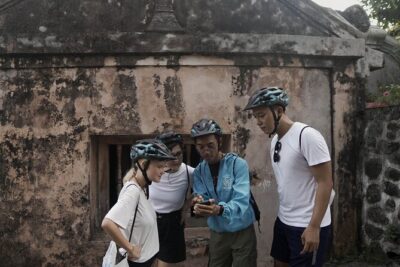 ★ 5.0Jogja Hidden Gems – Cycling TourFrom $45158 reviews
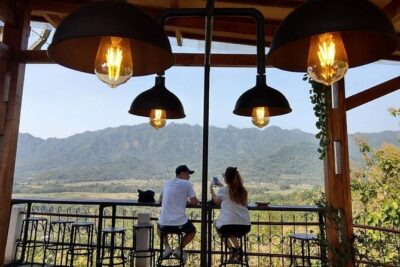 ★ 3.5Chicken Church Local Attraction Near Of Borobudur TempleFrom $618 reviews
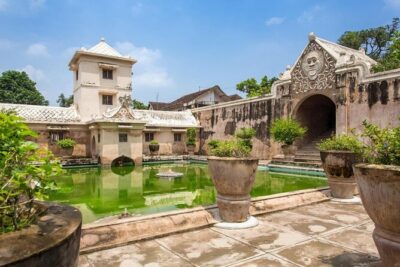 ★ 5.0Yogyakarta City tour and Ijo Temple SunsetFrom $6516 reviews
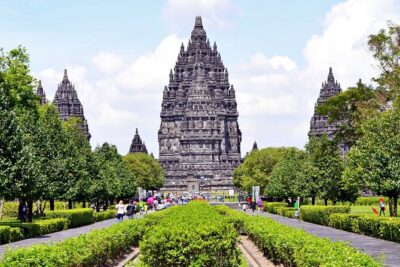 ★ 5.0The Hindu Realms of the PrambananFrom $1234 reviews
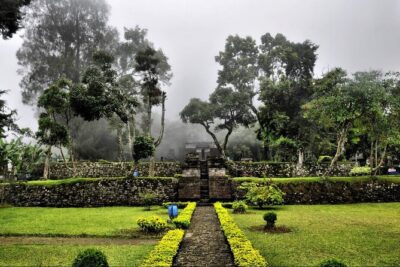 ★ 5.0Sukuh and Cetho Temple Tour from YogyakartaFrom $1554 reviews
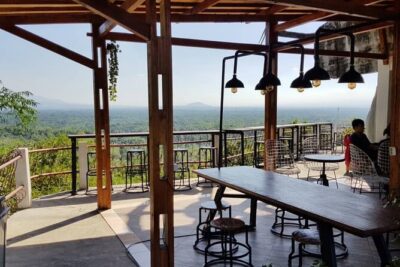 ★ 4.5Chicken Church at Karangrejo Village Admission TicketFrom $673 reviews
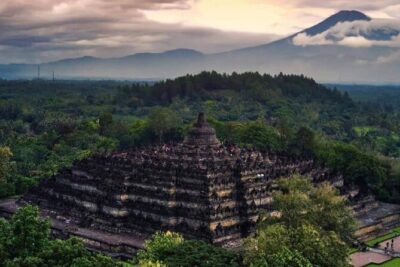 ★ 5.01 day tour borobudur temple,prambanan temple,plaosan templeFrom $1053 reviews
Browse the lists this tour appears in